
What Are You Looking For?

Solar roof mounting systems face the same weather challenges as the buildings they are installed on. In regions with strong winds or heavy snowfall, ensuring structural stability is crucial. With the right engineering, materials, and professional installation, a well-designed solar roof mounting system can reliably support photovoltaic panels even in demanding weather.
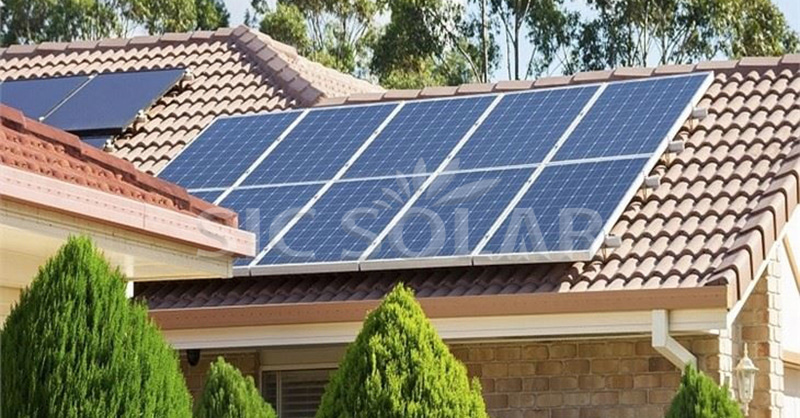
Wind load is a key factor in designing rooftop solar systems. Strong winds can exert uplift and lateral forces on solar panels, particularly near roof edges and corners. Engineers calculate wind loads based on local building codes, roof height, location, panel orientation, mounting height, and surrounding terrain. These calculations dictate the appropriate spacing for rails, brackets, clamps, and attachment points.
The connection to the roof is critical. The mounting system must safely transfer wind forces from the solar panels through the rails and brackets into the building's structural framework. On metal roofs, specialized clamps or screws may be used according to the roof profile. Tile and shingle roofs typically require roof hooks or suitable attachments to connect securely to the structure without compromising weather resistance.
Snow loads also require careful evaluation in colder areas. Accumulated snow adds significant weight to the solar array, increasing the pressure on mounting rails, clamps, brackets, and the roof. Engineers use local snow load data to determine necessary structural capacity and support spacing, checking the roof’s load-bearing capacity before installation.
Panel tilt affects snow accumulation. Pitched roofs may allow snow to slide off naturally, while snow can linger on panels on low-slope or flat roofs. The mounting structure and building must then be designed to handle this additional load. Adequate panel spacing can facilitate inspection and snow management.
Material quality impacts long-term performance directly. Aluminum alloys are preferred for rails and brackets due to their strong strength-to-weight ratio and corrosion resistance. Stainless steel fasteners and corrosion-resistant attachments ensure secure connections in humid, snowy, or coastal areas.
Temperature fluctuations must also be considered in mounting system design. Solar panels and metal components expand and contract with temperature changes. Properly designed clamps, rails, and connections accommodate this thermal movement while maintaining structural stability.
Companies like SIC Solar specialize in photovoltaic mounting systems, offering solutions for various roof types and environmental conditions. Their products include components engineered for secure panel attachment, efficient installation, and durable outdoor performance.
Professional installation is as important as product quality. Installers should adhere to engineering plans, use correct fasteners, maintain specified attachment spacing, and apply recommended torque values for connections. Regular post-installation inspections of clamps, rails, and roof attachments can help identify issues before severe weather events cause damage.
Proper evaluation of wind and snow loads during system design ensures solar roof mounting structures remain stable and reliable under challenging conditions. Choosing the right mounting solution for the roof type and local climate is key to safeguarding both the photovoltaic array and the building beneath it.



 IPv6 network supported
 English
  Deutsch
 español
 português
 Nederlands
 العربية
 日本語
日本語 한국의
한국의 Melayu
 Tiếng việt