
What Are You Looking For?

Solar mounting systems are designed to support photovoltaic panels for decades, often in challenging outdoor environments. From strong winds and heavy rain to snow, hail, and extreme temperatures, roof mounts must provide reliable structural support under a wide range of weather conditions. With proper engineering, quality materials, and professional installation, modern roof mounting systems are built to withstand these environmental challenges.
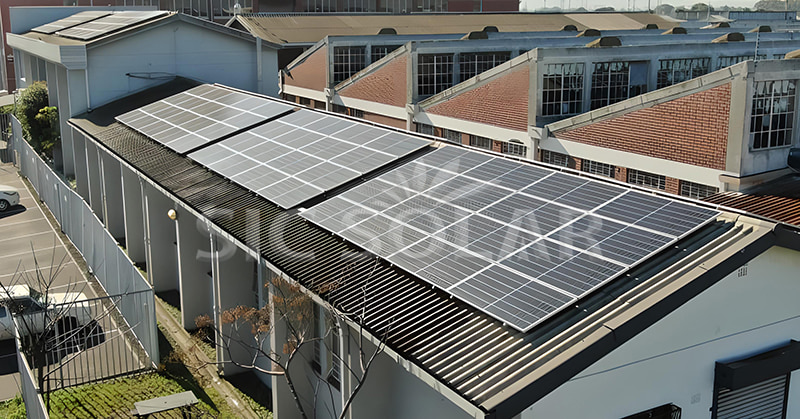
One of the biggest concerns is wind resistance. High winds create uplift forces that can place significant stress on both the solar panels and the mounting structure. To address this, engineers calculate wind loads based on local building codes, roof height, and geographic location. The spacing of roof attachments, rail design, and fastening methods are all optimized to ensure the system remains secure during storms.
Snow load is another important factor, particularly in colder regions. Roof mounts must support not only the weight of the solar panels but also the additional weight of accumulated snow. Strong aluminum rails, stainless steel fasteners, and properly designed roof brackets help distribute the load evenly across the roof structure, reducing the risk of damage.
Heavy rainfall requires effective waterproof protection. For metal, tile, and asphalt roofs, mounting systems use flashing, EPDM rubber seals, and waterproof gaskets around penetration points. On standing seam metal roofs, non-penetrating clamps can often be used, preserving the roof's waterproof layer while providing a secure attachment.
Temperature changes also affect long-term performance. Solar mounting systems expand and contract as temperatures fluctuate throughout the year. High-quality mounting components are designed with appropriate tolerances to accommodate thermal movement without compromising structural integrity.
Corrosion resistance is equally important, especially in coastal areas where salt spray and humidity can accelerate material degradation. Most premium roof mounting systems are manufactured from anodized aluminum and stainless steel, providing excellent resistance to rust and ensuring a long service life even in harsh environments.
The quality of installation is just as critical as the quality of the components. Incorrectly tightened fasteners, poor roof attachment, or improper rail alignment can reduce the system's ability to withstand severe weather. Professional installation and compliance with engineering specifications help ensure the mounting system performs as intended.
Manufacturers such as SIC Solar, a company specializing in the production and supply of photovoltaic mounting systems, design roof mounting solutions that meet demanding structural requirements. Their product range includes roof hooks, standing seam clamps, rails, L-feet, and fastening components that are engineered for strength, corrosion resistance, and long-term outdoor performance across various roof types.
Routine inspections also contribute to weather resistance. Periodically checking bolts, clamps, seals, and mounting rails helps identify minor issues before they become major problems. Preventive maintenance ensures the system continues to perform safely throughout its operating life.
When designed according to local environmental conditions and installed using high-quality mounting components, roof-mounted solar systems are capable of withstanding extreme weather while providing stable support for efficient solar energy generation year after year.



 IPv6 network supported
 English
  Deutsch
 español
 português
 Nederlands
 العربية
 日本語
日本語 한국의
한국의 Melayu
 Tiếng việt