
What Are You Looking For?

So, you're thinking about going solar? One of the first things you'll figure out is whether to put the panels on the ground or your roof. Both ways have their perks, and the “best” choice really comes down to your property, what you want to get out of it energy-wise, and your budget.
Roof solar is pretty common for homes, businesses, and factories. Since you’re already using the roof space, you don't need extra land. Putting panels up goes quicker, and getting permits can be easier since it's part of the building. Plus, shorter wires mean you lose less power, which saves money. Get the mounting right, and you can tilt the panels to get more sun.
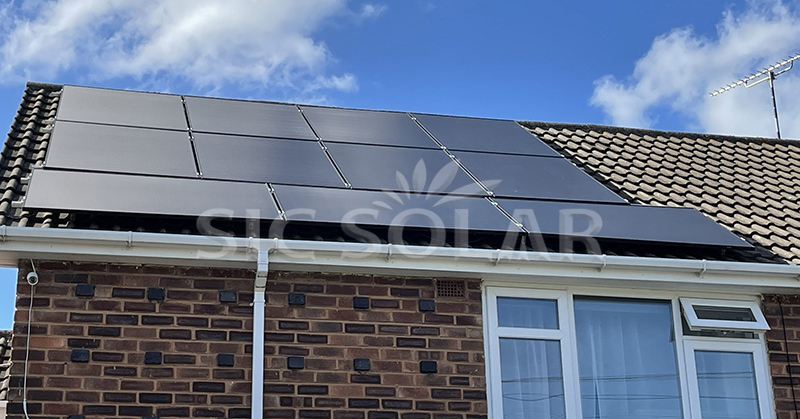
But, roof space is limited. Not every roof can take the weight of solar panels, especially older ones. Trees or stuff on the roof can also block sunlight. If that's the case, you'll need a pro to check the roof and find the best way to mount the panels.
With ground solar, you've got more freedom. You can point the panels exactly where you need them to get the most sunlight year-round. Ground mounts are great for big projects, and places with land to spare. It's also easier to maintain since you don't have to climb on the roof. And, you can add more panels later if you need more power.
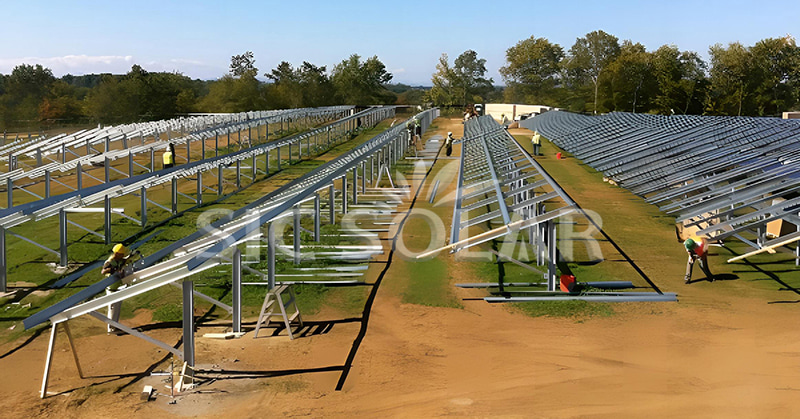
The downside of ground solar is the land. Buying or using land costs money, and you might not have the space, mostly if a lot of people are living there. Ground installs also need foundations, like poles or concrete, which depends on the dirt. This can cost more upfront, but it makes the setup solid and long-lasting.
No matter which way you go, good engineering is key. Roof systems need to not break the roof, and ground systems need to handle wind. Companies like SIC Solar sell mounting systems for both roofs and ground, so projects can fit into what they need, like different places/spots and power goals.
Comparing costs? It varies. Roof systems are cheaper to kick things off for smaller setups, but ground systems might be a better deal in the long run for bigger projects because they make more power and are easier to expand. Ultimately, it’s about how much space you have, how much power you need, and how flexible your spot & place is for building and growing.



 IPv6 network supported
 English
  Deutsch
 español
 português
 Nederlands
 العربية
 日本語
日本語 한국의
한국의 Melayu
 Tiếng việt