
What Are You Looking For?

The depth at which ground screws are installed is crucial for the stability and safety of solar mounting systems. These screws act as the foundation, so getting the depth right is key to long-term performance.
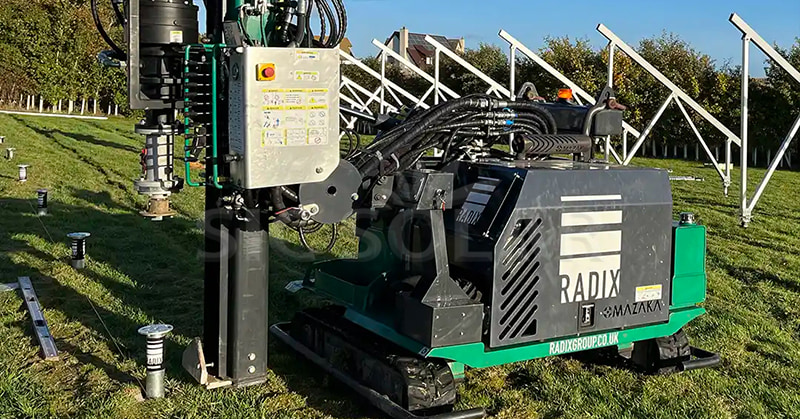
Installation depth varies based on factors like soil type, load needs, and weather conditions. Usually, ground screws go between 1.2 and 2.5 meters deep, but this depends on the specific site.
Soil type matters a lot. Firm soils like clay or gravel allow for shallower depths, while softer soils like sand require deeper screws to stay stable. The idea is to anchor into solid ground to resist pulling and sideways forces.
Load requirements also affect depth. Systems must handle wind and snow, so bigger setups or those in windy areas often need deeper screws. Engineers figure these needs out during design to make sure the foundation holds up.
In colder places, screws must go below the frost line to avoid shifting from freeze-thaw cycles. Installing above this line risks movement that can misalign the panels.
Correct installation technique is key, too. Screws must be driven straight and to the right depth with proper equipment. If not, the foundation’s strength can be compromised. Professionals ensure specs are met.
Many modern mounting systems, like those from SIC Solar, are designed to fit well with ground screw foundations, improving both ease of installation and stability.
Soil testing before installation is common. It helps engineers understand soil properties and select the right screw type and depth.
In short, there’s no universal depth for ground screws. The right depth depends on engineering, soil, and environment to keep the solar system stable and durable over time.



 IPv6 network supported
 English
  Deutsch
 español
 português
 Nederlands
 العربية
 日本語
日本語 한국의
한국의 Melayu
 Tiếng việt