
What Are You Looking For?

You prevent galvanic corrosion by pairing compatible metals, separating dissimilar metals with non-conductive barriers, and maintaining protective coatings. This electrochemical process can compromise the long-term reliability of solar mounting systems if you ignore it. When aluminum and stainless steel corrosion occurs at connection points, structural integrity weakens over time. Understanding corrosion in solar installations helps you make smarter choices during design and installation. You need the right materials, proper galvanic isolation techniques, and a solid inspection routine to protect your investment. These three defenses form the foundation of any effective corrosion in solar mounting systems strategy. A proactive approach now saves costly repairs later.
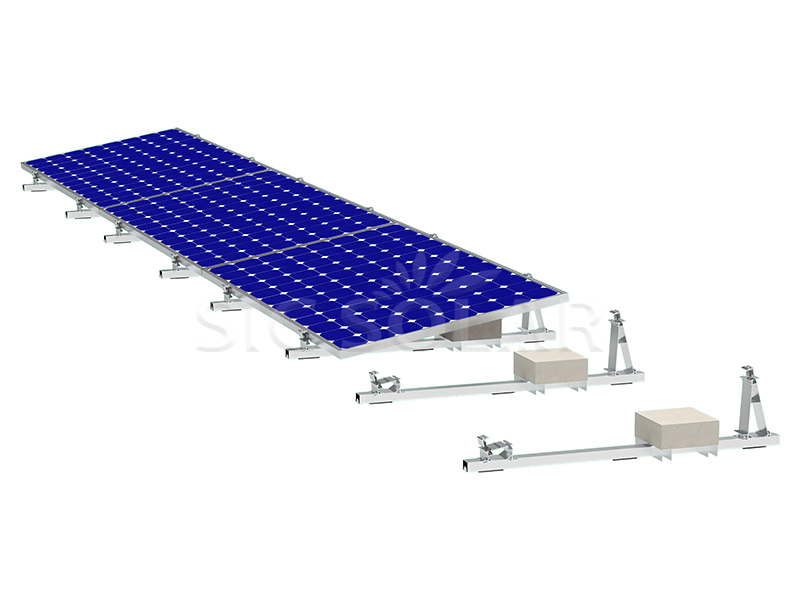
Choose metals that are close on the galvanic series to prevent corrosion.
Use non-conductive barriers like EPDM or nylon to separate dissimilar metals.
Apply protective coatings such as anodizing or galvanizing to add a defense layer.
Inspect your solar mounting system regularly for early signs of corrosion.
Replace severely corroded components to maintain structural integrity.
Understanding galvanic corrosion in pv mounting systems starts with the metals you connect and the water they face. Galvanic corrosion, also called bimetallic corrosion, requires two dissimilar metals, an electrical path, and an electrolyte.
Aluminum sits near the anodic end of the galvanic series. Stainless steel sits near the cathodic end. When you join an anodic metal to a cathodic metal, the anodic one loses electrons and corrodes faster. This is the classic aluminum and stainless steel corrosion scenario.
The electrolyte controls the reaction rate. Rainwater supports the process, though low salinity resists current flow. Salt spray from coastal environments creates a highly conductive electrolyte. Chlorides break down aluminum's protective oxide layer. Industrial pollution adds sulfur dioxide, making rain more acidic. Without this electrolyte, galvanic corrosion can remain dormant for years.
The area ratio between the metals also matters. A small stainless steel cathode contacting a large aluminum anode spreads the corrosive action over a wide area. Galvanic corrosion at aluminum-steel interfaces remains the classic failure mode at dissimilar metal contact surfaces.
The most vulnerable spots are small components that gather moisture and join dissimilar metals. Aluminum rails paired with stainless steel bolts form a typical galvanic couple. Bolts and fasteners create crevices where water collects. A ferrous bolt through an aluminum bracket forms a cell when an electrolyte bridges it. Aluminum frame corners face the same risk after coating damage.
Low-drain pockets trap water, promoting wet-dry cycling that drives zinc consumption. Coastal sites, like those in the Philippines, Brazil, or the UAE, see far more aggressive corrosion than inland locations. Manufacturer-designed interfaces control the risk with proper fasteners and washers. Random substitutions turn a controlled joint into a high-risk one. Galvanic isolation with EPDM or nylon separators prevents metal-to-metal contact. This is galvanic corrosion at the contact interface.
Untreated galvanic corrosion in solar systems progresses silently. Galvanic corrosion in solar arrays often starts as white rust on aluminum. Catching corrosion in solar installations early avoids structural damage. Solar mounting systems need attention early. Corrosion in solar mounting systems spreads behind flanges, unseen.
Material selection is your first and strongest defense against galvanic corrosion. The galvanic series ranks metals by their electrochemical potential. Metals close together on this scale resist corrosion when joined. Metals far apart create a strong driving force for the anodic metal to corrode.
Aluminum fasteners used with Pitched Roof Mounting represent the ideal combination. These metals sit close on the galvanic series, so the potential difference stays minimal. Pairing aluminum with stainless steel or copper creates an incompatible couple. The potential gap between these metals drives aluminum and stainless steel corrosion at the joint.
A practical rule for harsh environments keeps paired metals close together on the galvanic series. Stainless steel sits far above aluminum on that series. The potential gap between these metals exceeds the safe threshold for coastal or industrial sites.
You can choose from several corrosion-resistant mounting materials. Anodized aluminum works well for roof installations because it is lightweight and easy to install. Its thickened oxide layer provides protection. Stainless steel suits coastal and high-stress zones with maximum tensile strength from its molybdenum alloy content. Galvanized steel offers cost-effective heavy strength for utility ground mounts through its zinc sacrificial anode.
|
Material |
Best Application |
Key Advantage |
Protection Mechanism |
|---|---|---|---|
|
Anodized Aluminum |
Roof installations |
Lightweight and easy to install |
Thickened oxide layer |
|
Stainless Steel |
Coastal and high-stress zones |
Maximum tensile strength |
Molybdenum alloy (Grade 316) |
|
Galvanized Steel |
Utility ground mounts |
Cost-effective heavy strength |
Zinc sacrificial anode |
For coastal projects, locate installations away from the shoreline when possible. Use Grade 316 stainless steel fasteners with aluminum racking. Never substitute incompatible fasteners in these environments. Quality pv mounting systems are engineered with corrosion-resistant materials and tested to international standards.
Coatings add a second layer of corrosion protection when dissimilar metals must connect. Anodized aluminum grows a protective aluminum oxide layer. This oxide layer does not deplete over time. In marine environments, anodized aluminum consistently outlasts standard hot-dip galvanized steel because the oxide layer remains stable against chlorides.
Hot-dip galvanized steel uses a metallurgically bonded zinc coating. The zinc acts as a physical barrier and a sacrificial anode. If the coating scratches, the zinc cathodically protects the exposed steel. For coastal environments, the required zinc thickness depends on the corrosivity of the exposure environment, with more severe marine conditions demanding thicker coatings or specialized alloys.
Standards guide your coating specifications. Coating standards link environmental category and durability to required coating thickness, define hot-dip galvanizing requirements, and validate performance through standardized test methods. Grade 316 stainless steel fasteners are recommended for coastal and marine deployments.
Apply specialized anti-corrosion paste on stainless steel threads to prevent galling. Inspect all field-cut edges and apply protective sealants immediately. These steps complete your corrosion prevention strategy at the material level.
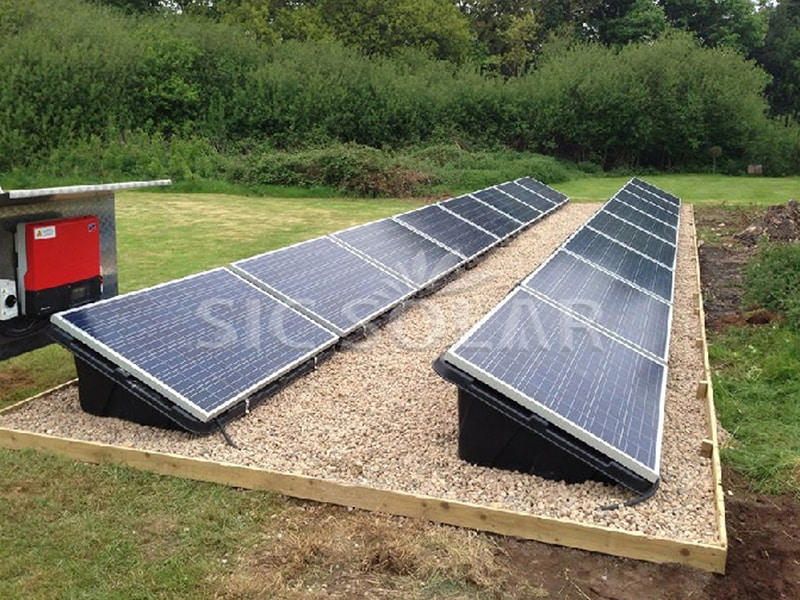
Material selection alone cannot stop every galvanic couple. You need physical separation between dissimilar metals at every joint. Isolation techniques break the electrical path that drives the corrosion reaction. This step is critical for long-term corrosion protection in any solar mounting system.
Non-conductive barriers stop metal-to-metal contact and cut the electrical circuit. You place these materials as washers, pads, or sleeves between the two metals. EPDM rubber works well as non-conductive washers, pads, or sleeves to isolate stainless steel fasteners from aluminum rails. Other polymer barrier materials serve as durable, weather-resistant barriers. Nylon is commonly fabricated into washers and sleeves placed between dissimilar metals. UV-stabilized polymers resist decades of sunlight, temperature extremes, and moisture without degrading.
Stainless 304 in direct contact with aluminum alloy is workable in dry inland climates but a real galvanic risk in wet or coastal ones: the aluminum becomes the anode and pits at the contact point. Standard practice is EPDM or polymer isolation between fastener and rail.
For steel-aluminum solar racking, install EPDM rubber isolation pads, UV-rated nylon washers, or composite isolator strips between the raw aluminum solar panel frame and galvanized steel cross-purlins. Both materials break the galvanic circuit, but they must be rated for outdoor exposure. EPDM offers excellent UV resistance and a wider operating temperature range. Nylon is non-conductive and works well for sleeves and bushings but needs UV inhibitors for long-term exposure.
|
Material |
UV Resistance |
Operating Temperature |
Dielectric Strength |
Typical Use |
|---|---|---|---|---|
|
EPDM |
Excellent |
Wide range |
Non-conductive |
Pads and washers |
|
Nylon |
Fair, often requires UV inhibitors |
Moderate range |
Non-conductive |
Sleeves and bushings |
Separate aluminum rails from galvanized steel substructures using EPDM pads or continuous durable tape applied before attaching the rails. Apply the same isolation principle between module clamps and frames. Design for water drainage so moisture cannot pool around connection points. Specify isolation components in design blueprints to prevent incorrect hardware use. This approach delivers Ground Mounting galvanic isolation at every connection point.
Fasteners create the most vulnerable points for corrosion in solar installations. You must isolate every fastener that connects dissimilar metals. Place a plastic or nylon sleeve around the bolt shank and a non-conductive washer under both the head and nut. This fully encases the fastener and blocks direct contact.
Sealing washers prevent moisture ingress at these connections. When stainless steel anchor bolts contact carbon steel or hot-dip galvanized pile flanges, moisture bridging the interface forms a galvanic cell. The large potential difference between stainless steel and carbon steel or zinc drives significant galvanic current when the cathode-to-anode area ratio is unfavorable. The specification requires polymer washers or nylon isolating grommets at all stainless-to-carbon-steel or stainless-to-HDG interfaces. Verify isolation resistance on a representative assembly. Stainless bolt-hole sleeves block direct metal-to-metal contact.
Anti-seize compounds add another layer of protection. Apply a standard anti-seize compound to stainless hardware on aluminum, choosing a harder-setting formulation for threads that will not be disassembled. Apply anti-seize thinly to male threads only. Set the calibrated torque wrench to the lubricated torque value. Proper torque control is essential. Under-driving fails to compress the EPDM washer, compromising the weather seal. Over-driving damages the panel. For stainless-on-stainless or stainless-on-aluminum joints, a suitable anti-seize compound prevents galling and seizing. This completes the prevention of galvanic corrosion at the fastener level.
Routine inspections form your final layer of defense against corrosion in Solar Components and mounting systems. You cannot rely on material selection and galvanic isolation alone. Field conditions change over time. Coatings degrade, fasteners loosen, and moisture finds new paths into joints.
Set your inspection schedule based on the environment. Most residential and commercial systems need a regular baseline check. Highly corrosive environments, such as coastal or industrial areas, require more frequent inspections. A coastal solar installation faces salt spray that accelerates every reaction.
Look for these visual signs during each inspection:
Rust-colored staining on and around steel fasteners, indicating active oxidation
White, powdery deposits on aluminum components, a tell-tale sign of aluminum oxide
Pitting, flaking, or bubbling on coated fasteners, suggesting the protective layer has been breached
Loosened bolts and surface rust on racking edges
These clues appear where dissimilar metals contact each other and galvanic corrosion sets in. Check especially after heavy rain or extreme weather events.
Check for galvanic corrosion where dissimilar metals meet (aluminum rails against steel bolts). Inspect conduit seals for moisture intrusion.
Use a torque wrench to verify fasteners still maintain their specified clamping force. Loosening may indicate underlying corrosion. For hard-to-reach areas within the racking assembly, use a small mirror or a digital borescope to inspect without disassembly.
Minor surface corrosion on aluminum racking is treatable. Remove the oxidation and touch up the area with a compatible protective coating. This restores the barrier and extends component life.
Structural corrosion demands replacement, not repair. Replace or fully assess the affected racking system when you find active galvanic corrosion at dissimilar-metal interfaces with white oxidation powder at joints. Full racking replacement is required when corrosion has reduced the cross-sectional area of load-bearing members. The same applies when structural deflection exceeds manufacturer tolerances.
Proactive maintenance is your last line of corrosion protection. Early detection through routine inspections saves time, cost, and structural risk. Evaluate your current solar mounting systems today and apply these corrosion protection strategies before small issues become failures.
You now have three core defenses against galvanic corrosion: compatible materials, non-conductive isolation, and regular maintenance. Preventing galvanic corrosion is a design and installation responsibility, not just a field repair task. Early detection through routine inspections saves time, cost, and structural risk. Evaluate your current solar mounting systems today. Inspect for corrosion in solar installations and apply galvanic isolation at every dissimilar metal joint. These steps protect your investment and ensure long-term reliability. Do not wait for visible damage. Take action now to prevent galvanic corrosion in your solar mounting systems.
Galvanic corrosion in a solar mounting system starts when two unlike metals touch through an electrolyte. Such systems often show aluminum and stainless steel corrosion at joints where water collects. Aluminum loses material. You can stop the reaction by breaking the electrical path.
You prevent it with galvanic isolation. Place EPDM pads or nylon washers between the metals. Seal the fasteners with anti-seize compound. These barriers stops aluminum and stainless steel corrosion at the contact point.
Not without protection. Stainless steel sits far from aluminum on the galvanic series. Moisture triggers corrosion between the pair. Use Grade 316 fasteners with isolating washers, or choose coated aluminum components designed for your environment.
Inspect solar mounting systems regularly in normal climates, and more frequently in coastal or industrial areas. Look for white powder on aluminum, rust on fasteners, and cracked coatings. Early detection stops solar mounting system corrosion from damaging structural parts.



 IPv6 network supported
 English
  Deutsch
 español
 português
 Nederlands
 العربية
 日本語
日本語 한국의
한국의 Melayu
 Tiếng việt