
What Are You Looking For?

When planning a solar installation, the price of the mounting hardware is only one part of the total project budget. Buyers who compare suppliers based solely on the price per watt may overlook several additional expenses that affect the final investment. Engineering, permitting, installation labor, transportation, site conditions, warranty coverage, and payment terms can all influence the overall cost of a solar mounting system.
These expenses vary according to project size, installation location, mounting structure, and local requirements. A residential rooftop project, for example, has different engineering and installation needs from a large ground-mounted solar farm. Understanding these differences helps project developers, installers, and distributors prepare more accurate budgets and make better purchasing decisions.
This article explains the main factors that determine solar mounting system costs beyond material prices and discusses what buyers should consider when evaluating a complete mounting solution.
The total cost of a solar mounting project includes more than rails, clamps, brackets, and other structural components. Several additional factors contribute to the final investment:
Each factor should be evaluated before selecting a mounting supplier. A lower hardware quotation does not necessarily mean a lower total project cost if the system requires additional engineering, complicated installation, or extensive site preparation.
Structural design is one of the first additional costs to consider when planning a solar mounting project. Every installation needs a structure capable of supporting the solar modules while handling the environmental loads expected at the project location.
Engineers typically evaluate several conditions before finalizing a mounting design, including:
Engineering costs depend on the complexity of the project. A standard rooftop installation may use an established mounting configuration with relatively straightforward calculations. A large commercial project, ground-mounted solar farm, or custom solar carport may require more detailed structural analysis, foundation calculations, and project-specific drawings.
For this reason, buyers should provide accurate project information when requesting a quotation. Module specifications, installation location, roof type, required capacity, and applicable design standards help the mounting supplier evaluate the project more efficiently.
Mounting structures also differ according to installation type. For example, pitched roof mounting systems need to match the roof material and attachment method, while ground-mounted systems require a different structural and foundation approach. Choosing the correct structure at the design stage can reduce unnecessary customization and installation adjustments.
Solar mounting projects may need to satisfy local building regulations, structural requirements, electrical standards, and inspection procedures. These requirements vary by country, state, municipality, and project type.
Depending on the installation, the approval process may involve:
The associated expenses depend on local regulations and the scope of the installation. A small residential project may have a relatively simple approval process, while a large commercial or utility-scale project may require more extensive documentation and review.
It is also important to distinguish between mounting system requirements and the requirements of the complete solar installation. A mounting supplier may provide structural specifications, product documentation, and relevant technical information, but building permits and utility approvals are generally handled according to local procedures by the project owner, installer, or engineering team.
Before ordering equipment, buyers should confirm which documents are required and who is responsible for preparing them. This helps prevent delays caused by missing drawings, incomplete technical information, or design changes during the approval process.
Installation labor can have a significant impact on the overall cost of a solar mounting project. Even when two projects use similar quantities of mounting hardware, their installation expenses may differ because of labor availability, construction conditions, equipment requirements, and project schedules.
The time required to install a mounting system depends on its structure and the working conditions at the site. Standard rooftop mounting configurations may be relatively straightforward to assemble, while complex structures can require more installation steps and specialized equipment.
Several factors influence labor requirements:
For example, rooftop projects may require additional safety arrangements, roof access equipment, and careful material handling. Ground-mounted projects may need excavation machinery, pile-driving equipment, or concrete foundation work. Solar carports may involve larger structural components and more complicated assembly procedures.
Installation planning should therefore consider both the quantity of hardware and the time needed to assemble it. A mounting system with a practical component layout and straightforward connections can help installers work more efficiently and reduce avoidable labor expenses.
Different mounting structures have different installation requirements. The most suitable option depends on the available space, supporting surface, project capacity, and expected operating conditions.
For example:
When comparing mounting solutions, buyers should consider how the design affects installation time, equipment needs, and future maintenance. The lowest initial component price may not provide the best overall value if the structure is difficult to assemble or requires extensive on-site modification.
The installation surface is another important factor in determining the total cost of a solar mounting system. Roof construction, ground conditions, and site accessibility influence the type of mounting structure, foundation design, and preparation work required before installation can begin.
For rooftop solar projects, the roof material and structural condition determine which mounting solution is suitable. Different roof types require different attachment methods and accessories.
Roof condition is just as important as roof type. If the existing structure needs reinforcement or repair before solar installation, those expenses should be included in the project budget rather than treated as part of the mounting hardware price.
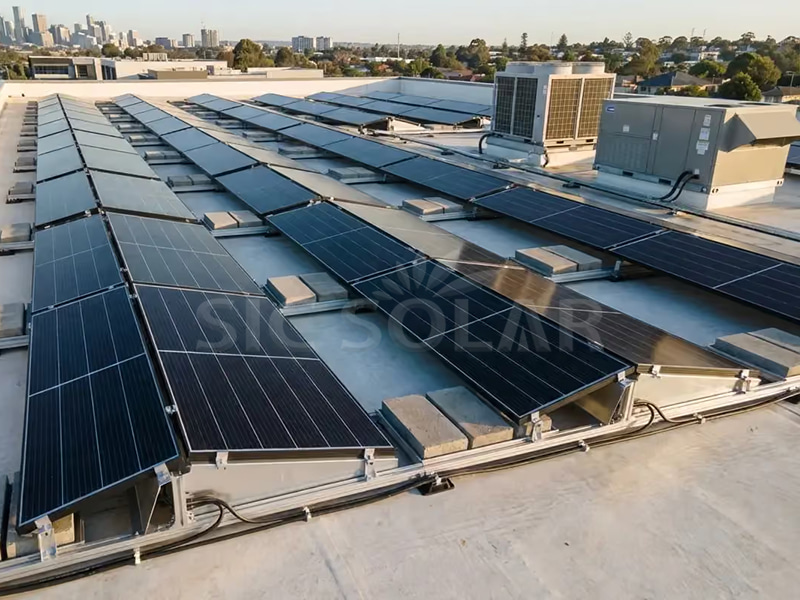
For projects using flat roof structures, flat roof solar mounting systems should be selected according to roof loading limits, wind exposure, module arrangement, and installation requirements.
Ground-mounted solar projects require careful evaluation of soil conditions before selecting a foundation method. Soil bearing capacity, ground stability, groundwater conditions, and terrain can all affect foundation design and installation costs.
Common site conditions include:
Different foundation methods may be suitable for different sites. Concrete foundations, driven piles, ground screws, and other anchoring solutions each have their own equipment, material, and labor requirements. The correct choice should be based on geotechnical information and structural calculations rather than price alone.
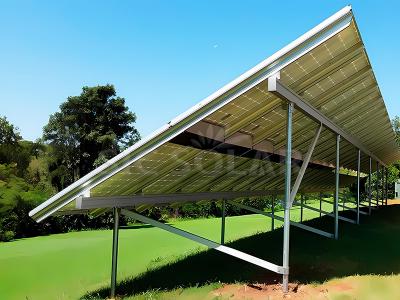
Site preparation can also add to the project budget. Vegetation removal, grading, drainage improvements, access roads, and equipment staging areas may be necessary before the mounting structure can be installed. These costs are especially important for large ground-mounted projects or locations with difficult access.
For open-land installations, ground-mounted solar mounting systems should be evaluated according to soil conditions, foundation requirements, wind and snow loads, and the planned module arrangement.
Transportation is another cost that buyers should consider when purchasing solar mounting hardware. The price quoted by a manufacturer may not include packaging, international freight, customs-related charges, inland transportation, or final delivery to the project site.
The total logistics cost depends on several factors:
Packaging design is particularly important for solar mounting products. Aluminum rails, steel supports, clamps, and smaller accessories need to be packed in a way that protects the products while making loading and unloading more efficient.
Buyers should also check whether the quotation includes export packaging, shipping arrangements, customs responsibilities, and delivery to the final destination. Comparing quotations on the same delivery terms makes it easier to understand the actual landed cost.
For large projects, coordinating the production schedule with the installation schedule can help reduce storage pressure and avoid unnecessary handling. Clear labeling, organized packaging, and accurate packing lists also make it easier for installation teams to identify components after delivery.
The initial purchase price does not represent the entire cost of owning a solar mounting system. Since mounting structures are expected to remain in service for many years, buyers should also evaluate product durability, warranty terms, maintenance requirements, and the availability of replacement components.
When reviewing a mounting system warranty, buyers should pay attention to the following points:
| Warranty Item | What Buyers Should Check |
|---|---|
| Product defects | Which manufacturing defects and component failures are covered? |
| Structural performance | Are structural performance conditions and limitations clearly defined? |
| Corrosion protection | Is the surface treatment suitable for the project's environmental conditions? |
| Replacement components | Are replacement parts available, and how are they supplied? |
| Labor and transportation | Does the warranty cover labor, shipping, or on-site repair costs? |
| Warranty exclusions | Are damage caused by improper installation, extreme events, or unauthorized modifications excluded? |
Warranty coverage differs by product and supplier, so buyers should review the actual written terms rather than assume that every component or service expense is included. A product warranty may cover defective parts but exclude the labor required to remove and reinstall them.
Maintenance requirements should also be considered. Depending on the system and installation environment, periodic inspections may be needed to check fasteners, structural connections, corrosion, drainage, and the condition of supporting components.
Choosing materials and surface treatments suitable for the local environment can help reduce maintenance concerns. Coastal locations, industrial environments, and areas with high humidity may require particular attention to corrosion resistance.
Payment arrangements can affect the financial pressure of a solar mounting project, especially when a large quantity of materials needs to be purchased before installation begins.
For buyers and project developers, several commercial details are worth reviewing:
A clear payment schedule helps both the buyer and supplier coordinate production and delivery. Buyers should compare not only the quoted product price but also the payment conditions, delivery terms, and any additional charges stated in the quotation.
Different mounting systems are designed for different installation environments. Comparing them only by material price can lead to an incomplete assessment because their engineering, foundation, installation, and maintenance requirements are not the same.
For example, a rooftop mounting system may reduce the need for ground preparation, while a ground-mounted structure may be more suitable when sufficient open land is available. A solar carport can combine parking space with solar power generation, but it also requires structural planning for columns, beams, foundations, and vehicle access.
Solar tracking systems introduce moving components and additional mechanical considerations. Their suitability depends on the project location, energy-generation objectives, site conditions, and investment budget. A fixed mounting structure may be more appropriate when the project prioritizes a simpler structure and predictable installation requirements.
SIC SOLAR provides mounting solutions for different applications, including pitched roofs, flat roofs, ground-mounted projects, solar carports, and tracking systems. Buyers can evaluate the available options according to their installation conditions and project requirements.
For projects that need to make use of parking areas, solar carport mounting solutions can be considered as part of the overall site planning. For projects where module orientation needs to adjust during operation, solar tracking systems may also be evaluated against the project's technical and financial objectives.
The most suitable option is not necessarily the one with the lowest initial price. It is the system that meets the project's structural requirements, works with the installation environment, and provides an appropriate balance between upfront investment and long-term operating needs.
Providing complete project information helps a mounting supplier prepare a more accurate quotation. Before contacting a supplier, buyers can organize the following details:
| Information | Details to Prepare |
|---|---|
| Project location | Country, region, wind conditions, snow conditions, and applicable design standards |
| Installation type | Pitched roof, flat roof, ground mount, carport, or tracking system |
| Solar modules | Module dimensions, weight, quantity, and layout |
| Supporting surface | Roof material and condition, or soil and foundation information |
| Project capacity | Planned system capacity and approximate installation area |
| Delivery requirements | Destination, expected delivery schedule, packaging, and shipping terms |
| Documentation | Required drawings, calculations, certificates, and technical documents |
With these details available, suppliers can better understand the project scope and identify the appropriate mounting configuration. Buyers can also request a breakdown of material costs, engineering support, packaging, transportation, and other relevant expenses.
The total cost of a solar mounting system is influenced by much more than the price of its structural components. Engineering, permitting, installation labor, site preparation, transportation, warranty coverage, and payment terms can all affect the final project budget.
Before selecting a mounting solution, buyers should evaluate the complete project requirements and compare quotations using consistent specifications and delivery conditions. A system that is suitable for the installation environment, straightforward to assemble, and supported by clear technical documentation can help reduce unnecessary expenses during construction and operation.
SIC SOLAR offers mounting solutions for different solar installation applications. By matching the mounting structure to the project location, roof or ground conditions, and installation objectives, buyers can make a more informed decision about both initial investment and long-term project value.
The total cost depends on engineering and design, permits, installation labor, site conditions, foundation requirements, packaging, transportation, warranty coverage, and payment terms. The importance of each factor varies according to project size, location, and mounting type.
A low hardware price may not include engineering support, customized components, packaging, freight, or installation-related expenses. Buyers should compare the complete project cost and confirm that each quotation covers the same specifications and delivery conditions.
Roof material and structural capacity determine the suitable attachment method for rooftop projects. For ground-mounted installations, soil bearing capacity, terrain, groundwater, and foundation requirements influence structural design and site preparation costs.
Yes. A practical component layout, compatible accessories, clear installation instructions, and suitable pre-assembly can help reduce on-site adjustments and labor time. The design should still meet the project's structural and environmental requirements.
Buyers should confirm the project location, installation type, module dimensions, structural loads, roof or soil conditions, required documentation, product specifications, packaging, delivery terms, and warranty coverage before placing an order.
Maintenance requirements depend on the mounting structure and installation environment. Periodic inspections may be needed to check fasteners, structural connections, corrosion, and other components. Buyers should follow the maintenance recommendations provided for the selected system.



 IPv6 network supported
 English
 Deutsch
 español
 português
 Nederlands
 العربية
 日本語
 한국의
 Melayu
 Tiếng việt