
What Are You Looking For?

How you point your solar panel really matters for how much sunlight it grabs, which then changes how much power it makes. Modern panels can make power in rough conditions, but getting the direction and angle right helps them work their best for a long time.
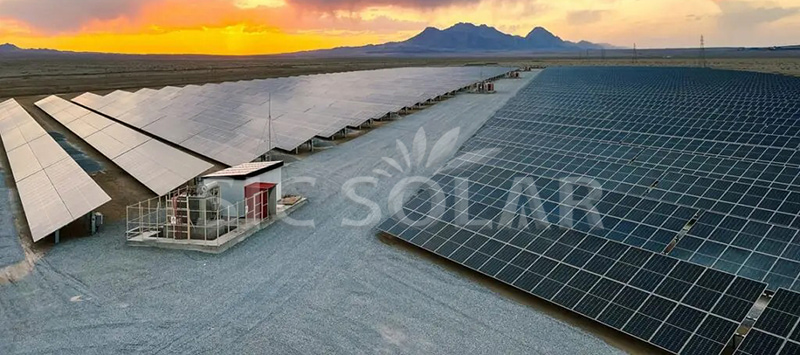
The best direction for your panels hinges on whether you are in the northern or southern part of the globe. If you live up north, face those panels south—that's where they'll soak up the most sun all day. Live down south? Point them north. This way, they get a good dose of sun from morning to night, making the most juice.
If you have to point panels east or west, that's cool too, especially if you can't change your roof. East-facing panels crank out power in the morning, and west-facing ones do it in the afternoon. Sometimes folks pick these directions to match when they use the most power at home or work, despite the fact the total power generated could be less than facing south.
The angle of your panels should match where you live on the map. A simple trick is to tilt them at about the same number as your latitude. So, if you're at 30 degrees latitude, aim for a 25–35 degree tilt.
But hey, you can tweak this a bit based on what you need. A steeper angle is great for winter when the sun is lower, while a flatter one is better for summer. Big projects often mess around with the tilt to sync up with when energy is needed most or depending on the weather in that area.
What your roof is like really calls the shots on direction and angle. Panels usually sit flush on slanted roofs, and often, the roof's angle is just right. Flat roofs? Those need special tilted frames to get the angle right while staying put in the wind and keeping the roof safe.
If you put panels on the ground, you can point and angle them just how you like for max power. That's why you see ground mounts at solar farms. Some spots even use adjustable tilts to keep up with the seasons.
Even if your direction and angle are spot on, shade can mess things up too. Check for trees, buildings, and stuff on your roof that could block the sun. And if your panels are tilted up, make sure they aren't close enough to block each other when the sun's low.
The stuff you use to hold the panels is key for keeping them pointed right, even when it's windy or snowy. Good materials and smart design are what you need to keep everything steady. Manufacturers such as SIC Solar, which produce and supply photovoltaic mounting systems, develop fixed-tilt and adjustable solutions for rooftops, flat roofs, ground mounts, and carports to support accurate panel positioning across different project types.
Getting the right direction and angle is a balancing act that boils down to where you are, what your building is like, when you need power, and how the system’s put together. Nail these, and your solar panels will hum along for years.



 IPv6 network supported
 English
  Deutsch
 español
 português
 Nederlands
 العربية
 日本語
日本語 한국의
한국의 Melayu
 Tiếng việt