
What Are You Looking For?

When you're putting up solar panels, you want them to last, right? So, fighting rust is super important for those mounting systems. Solar setups should work for like, 25 years or more. That means the stuff holding them up needs to handle all kinds of bad weather. If things get rusty, the whole system can get weak, cost more to keep up , and just not work as well overall.
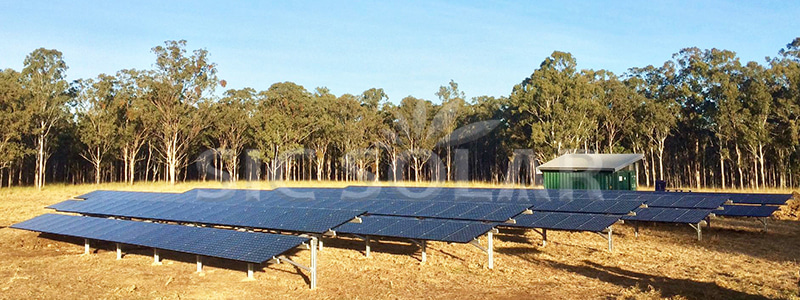
First off, what you make the system out of matters a lot. Aluminum is good because it naturally fights corrosion; that's why it's used a lot on roofs and near the ocean. Steel that's been dipped in zinc – what they call hot-dip galvanized – is another solid pick. That zinc layer keeps rust away. A lot of gigantic projects go with this kind of steel because it's strong and lasts long out in the elements.
How you treat the metal's surface also makes a huge difference. If you anodize aluminum, it gets even better at resisting corrosion. And there are coatings you can put on steel to keep water and chemicals from messing it up. Big-time suppliers like SIC Solar often use a bunch of these surface treatments to make sure their mounting gear stays good, whether it's in a desert or by the salty sea.
Think about where you're putting the solar panels, too. If it's by the coast, you gotta use stuff that can really handle salt. If it rains or snows a lot where you live, get coatings that stop water from hanging around and weakening the metal. And if you're in the desert, you definitely need finishes that can take the sun and sand. Knowing your local weather helps you pick the right gear that'll last.
The way the mounting system is put together affects rust, too. Good designs don't let water sit anywhere. Drainage holes, smooth edges, and parts that fit together well all keep rust from starting. Also, mixing different kinds of metals can cause corrosion, so you want to keep aluminum and steel from touching directly.
Even how you set things up matters for keeping rust away. Make sure bolts are tight, coatings don't get scratched, and everything's treated right during install. You really don't want to scratch those surfaces that are treated to prevent corrosion, and be sure to use the right screws and bolts for the job so things hold up long term.
Checking everything out regularly is a smart idea, especially if you're in a tough environment. If you spot wear and tear, coating damage, or rust early, you can fix it before it causes big problems.
If you get a good design, a good coating, and a careful install, your solar panels will stay safe, stable, and working for years. Working with experienced makers of mounting systems like SIC Solar helps make sure that fighting rust is built into every piece of the system.



 IPv6 network supported
 English
  Deutsch
 español
 português
 Nederlands
 العربية
 日本語
日本語 한국의
한국의 Melayu
 Tiếng việt