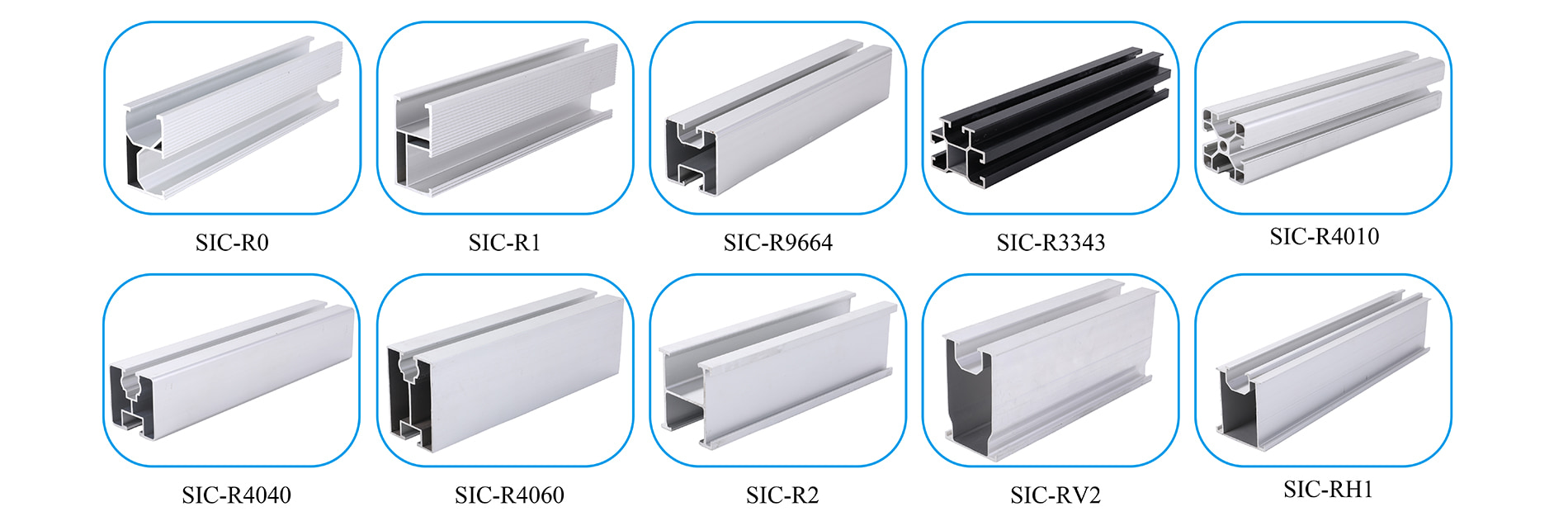
What Are You Looking For?

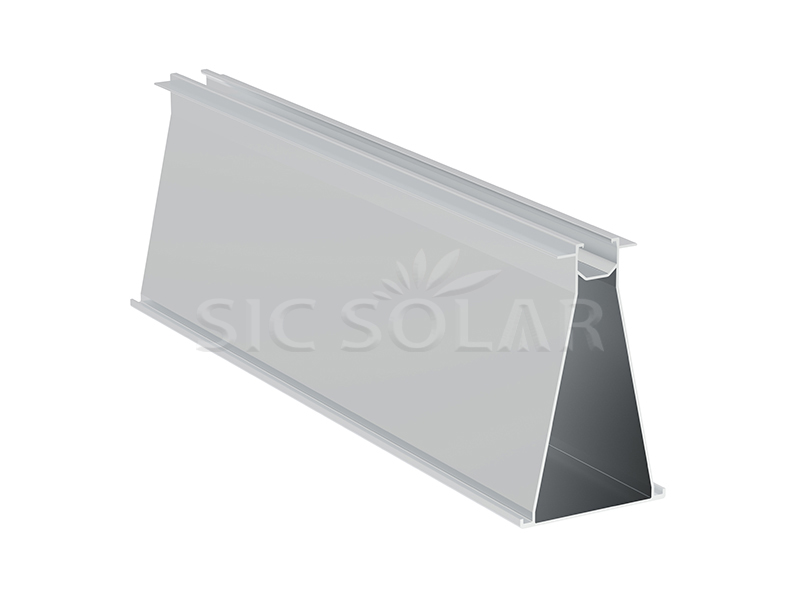
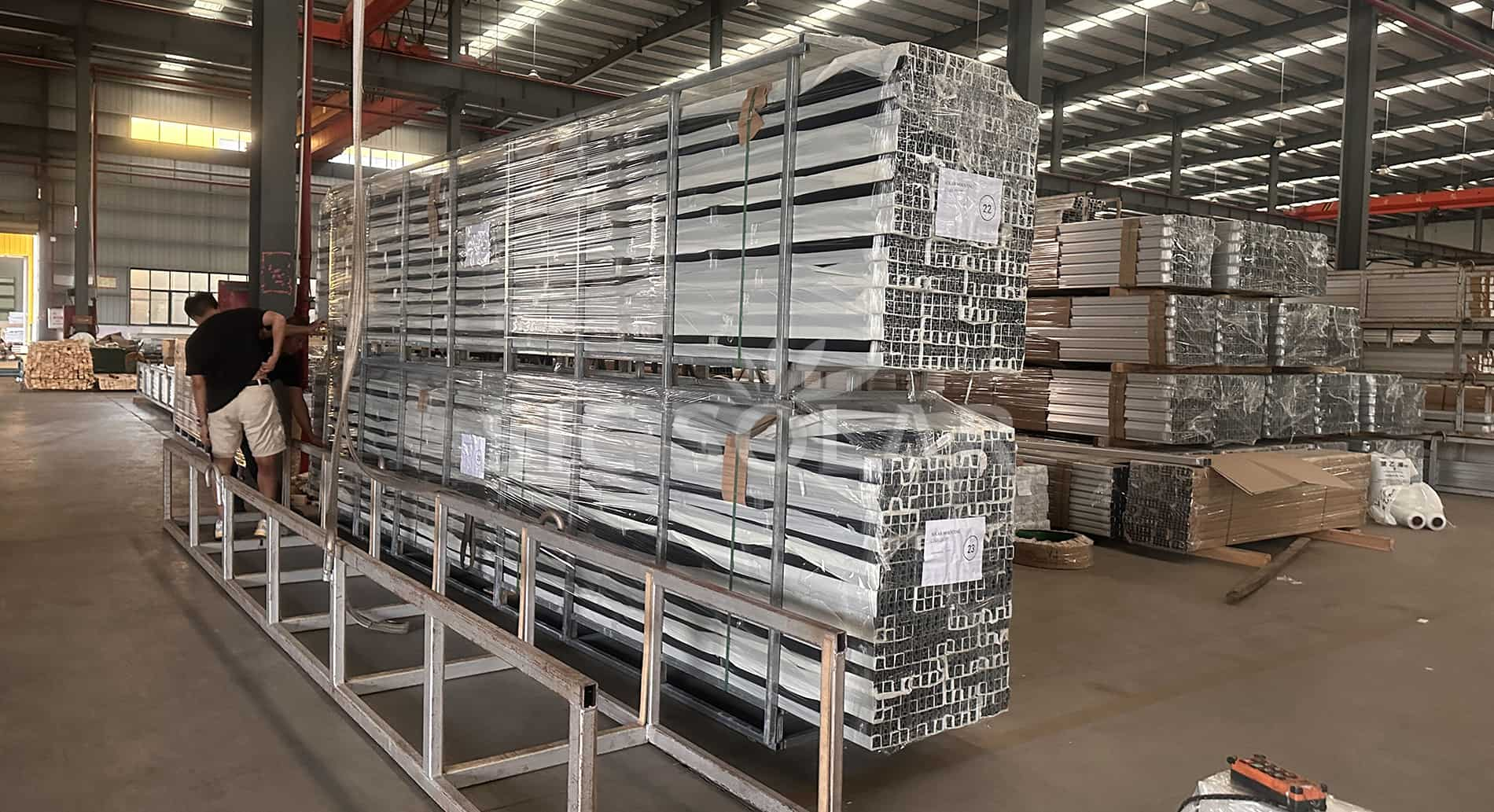
Aluminum Solar Carport Rails are designed to support and secure solar panels in carport mounting systems. Made from lightweight, durable aluminum alloy, they provide a reliable mounting platform for residential, commercial, and industrial solar carport projects.
Brand:
SIC SOLARItem NO.:
SIC-RH2Product Origin:
Fujian, ChinaShipping Port:
Xiamen portColor:
Silver & BlackMaterial:
Al6005-T5Warranty:
10 years and 25 years service timeLength:
Can be customizedThickness:
Can be customizedFunction:
Support solar panelWind Load:
<60M/SSnow Load:
<1.4KN/M²
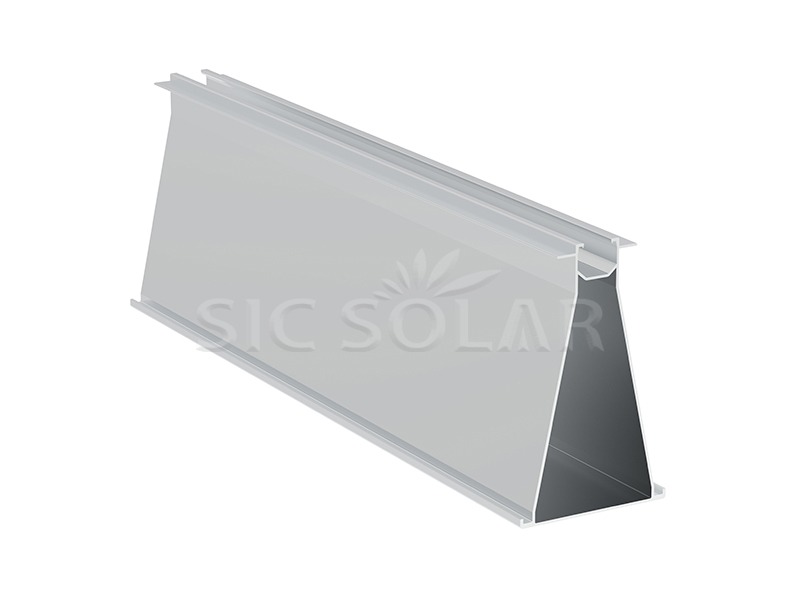
SIC Solar Aluminum Solar Carport Rails combine strength with lightweight construction, making them easier to handle and install. They can be configured to suit different carport layouts, panel arrangements, and structural designs.
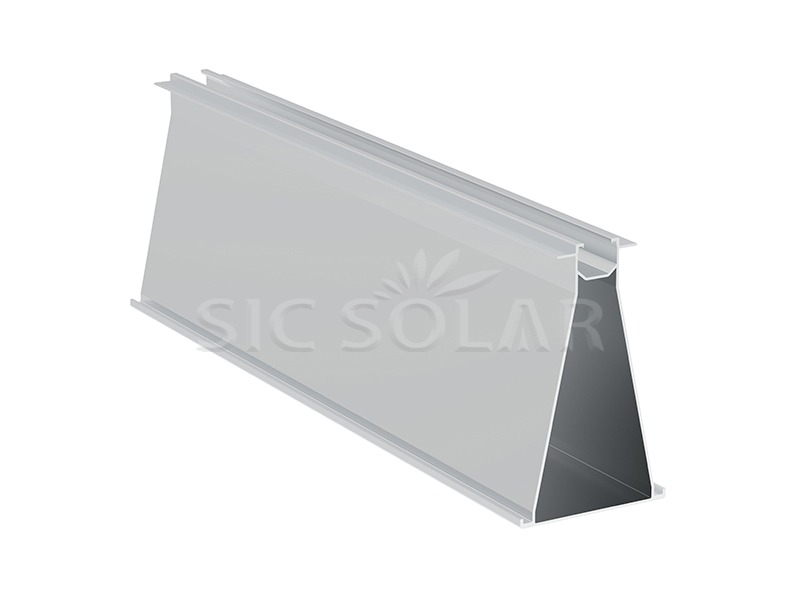
Aluminum Solar Carport Rails help keep solar panels properly aligned and work with compatible mid clamps, end clamps, rail connectors, and fasteners to create a secure mounting system.
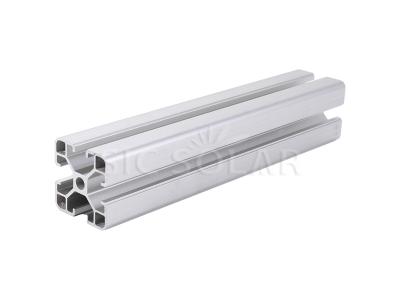
The 4040 T-Type Aluminum Extrusion Profile European Standard, which meets European standards, is a r...
Read More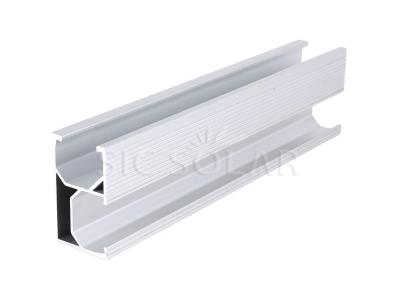
Aluminum Rail for Mounting Solar Panel is a lightweight, durable component that provides a stable ba...
Read More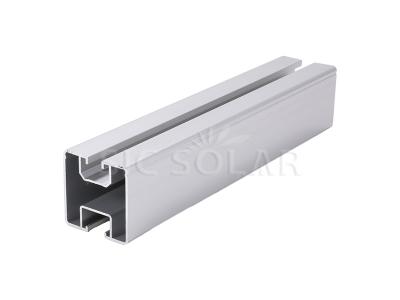
Solar Mounting 40x40 Aluminum Rails are sturdy, lightweight, and last a long time when you're settin...
Read More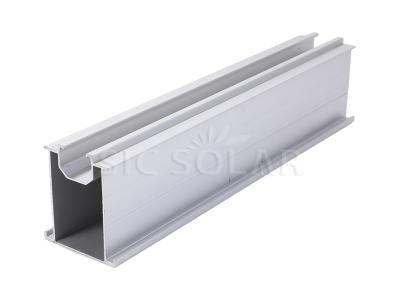
Aluminum Rail for Ground Solar Panel Mounts is a strong, light, and reliable part made to hold solar...
Read More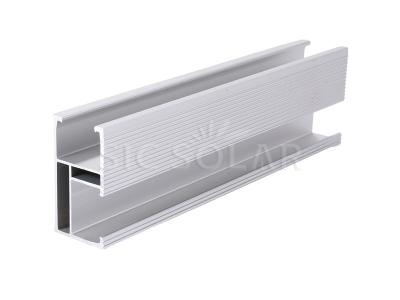
Think of Solar panel mounting rails as a key part of setting up solar power systems. They're what yo...
Read More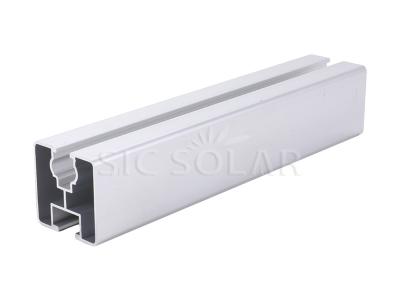
Aluminum Rails for Solar Panels are a key part of a solar mounting system. They connect the PV modul...
Read More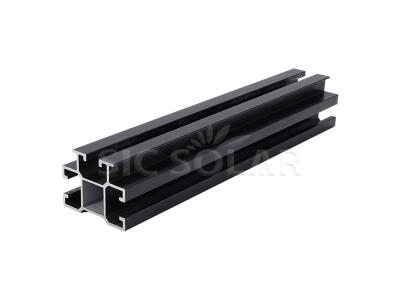
Roof Solar Panel Installation Aluminum Rails are a must for setting up solar panels on roofs, whethe...
Read More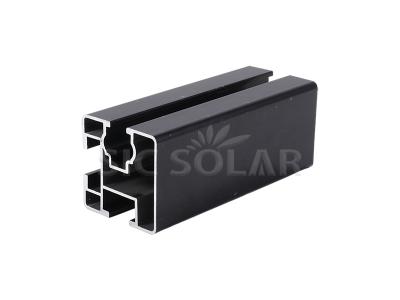
If you're putting solar panels on a slanted, flat, or metal roof, you'll want an Solar Panel Roof Mo...
Read More


 IPv6 network supported
 English
 Deutsch
 español
 português
 Nederlands
 العربية
 日本語
 한국의
 Melayu
 Tiếng việt