What Are You Looking For?

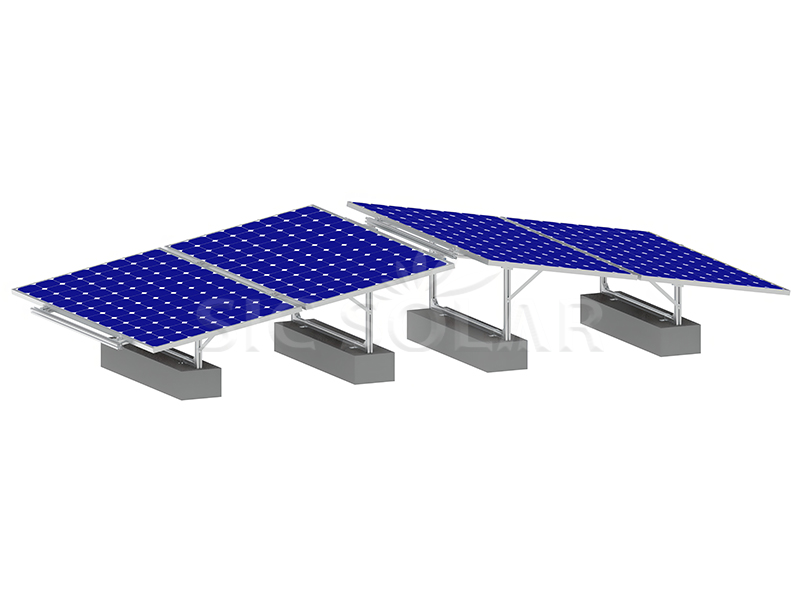
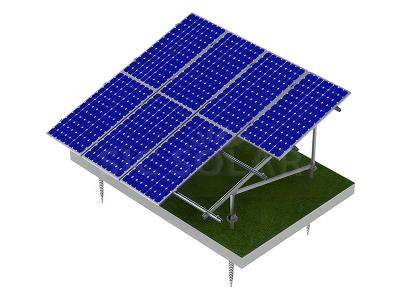
New Aluminum Alloy Ground Solar Racking is designed for ground-mounted PV installations, from residential and commercial projects to large-scale solar farms. Made from aluminum alloy, it combines lightweight construction with corrosion resistance and a modular design that adapts to different site conditions and panel layouts.
Brand:
SIC SOLARItem NO.:
SIC-SA1-WProduct Origin:
Fujian, ChinaShipping Port:
Xiamen portInstallation Site:
Roof or GroundTilt Angle:
<60 degreeColor:
Natural or CustomizedMaterial:
AL6005-T5Warranty:
10 years and 25 years service timeLength:
Can be customizedThickness:
Can be customizedWind Load:
<60M/SSnow Load:
<1.4KN/M²
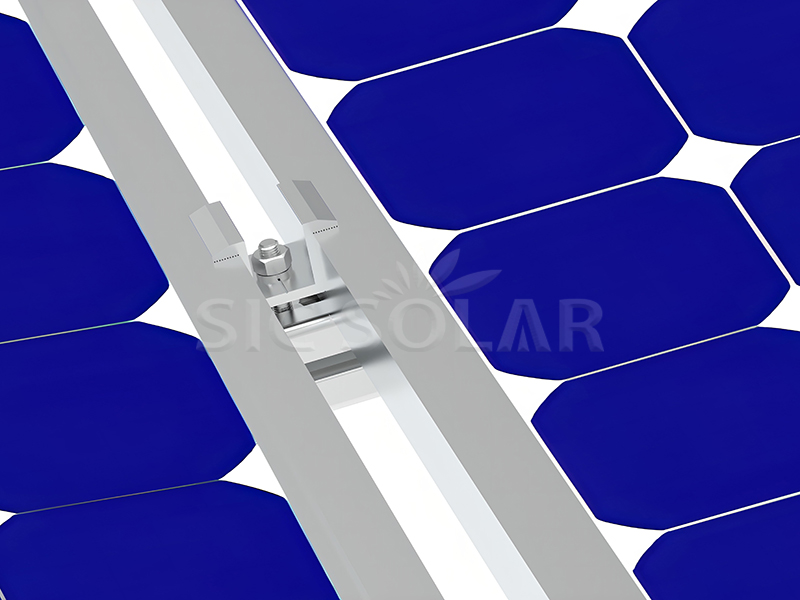
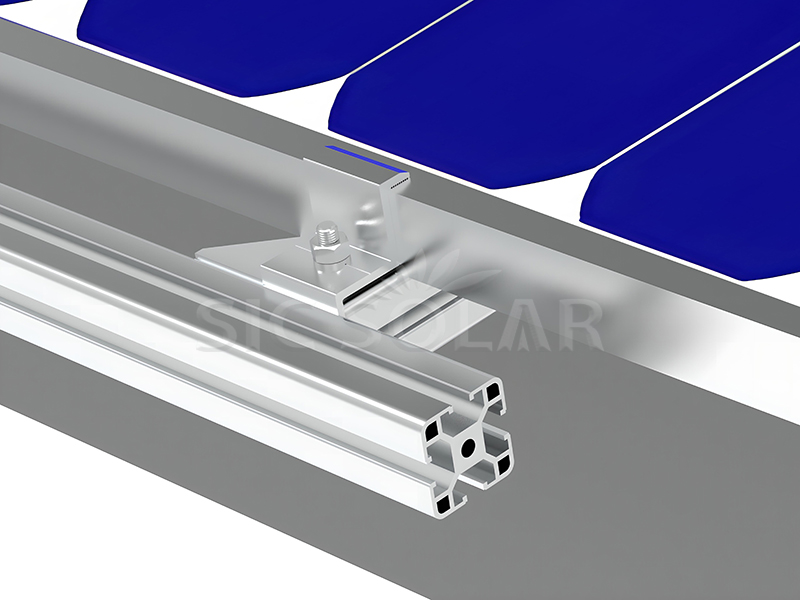
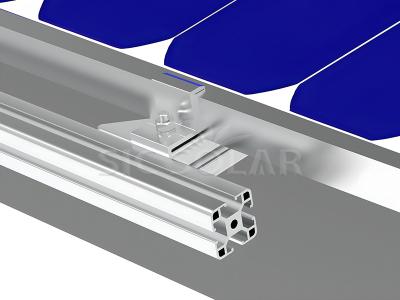
New Aluminum Alloy Ground Solar Racking system typically includes aluminum rails, support beams, mounting brackets, connectors, and panel clamps. These components work together to keep the solar modules securely mounted and properly aligned.
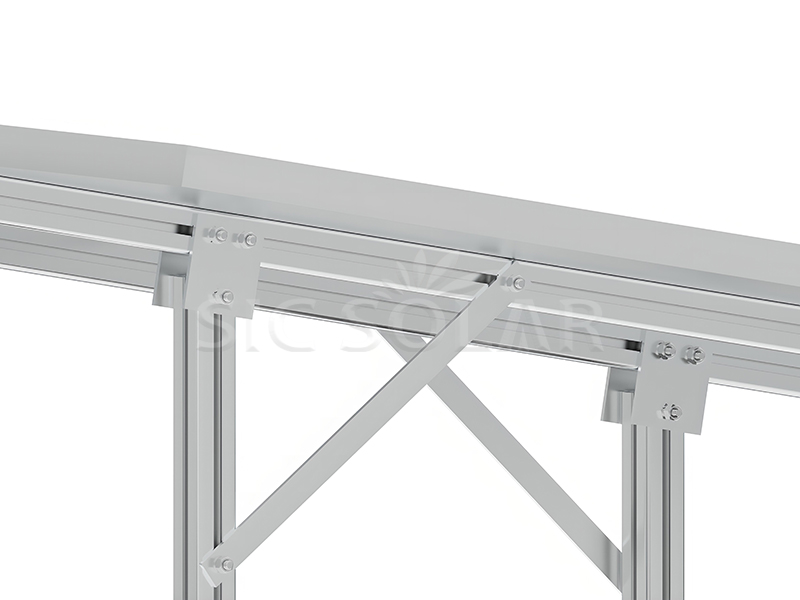
With its durable structure and pre-assembled components, the New Aluminum Alloy Ground Solar Racking helps simplify installation and reduce on-site labor. Custom configurations are available to suit different project layouts and foundation requirements.
Ground mount solar racking systems N type is a super strong and efficient way to hold up big solar p...
Read More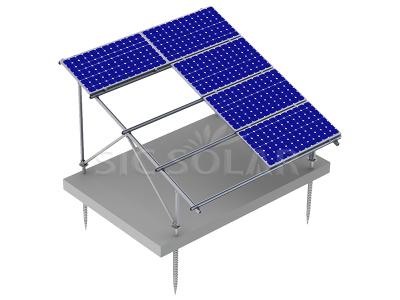
Aluminum Ground Solar Mount Structure are a great option. They're light but strong, and they don't r...
Read More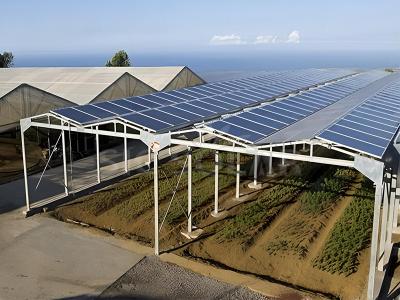
For farmers looking to combine farming with solar power, the East-West Solar Ground Mounting System ...
Read More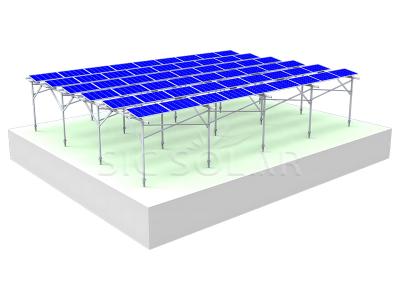
Agricultural Solar Mounting System lets farmers use their land for both crops and clean energy. You ...
Read More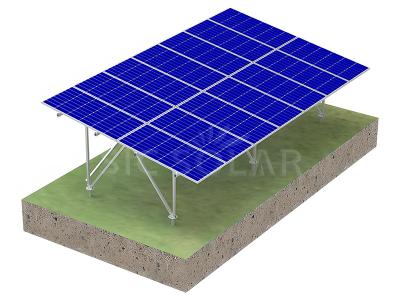
The W Type Ground Solar Panel Mount Bracket is a practical solution for ground-mounted PV systems. I...
Read More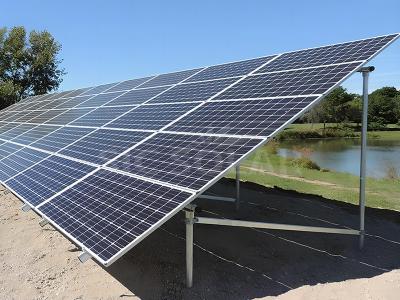
Ground Mounted Solar PV Systems N type are a cool way to set up big solar projects. They're built wi...
Read More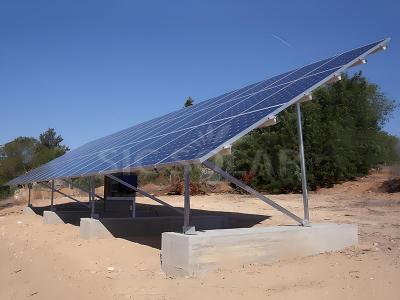
Concrete Based Ground Aluminum PV Mounting Bracket are solar mounting systems made to be stable and ...
Read More
Wood Grain Aluminum Extrusion is an aluminum profile with a wood-inspired surface finish. It combine...
Read More


 IPv6 network supported
 English
 Deutsch
 español
 português
 Nederlands
 العربية
 日本語
 한국의
 Melayu
 Tiếng việt