
What Are You Looking For?

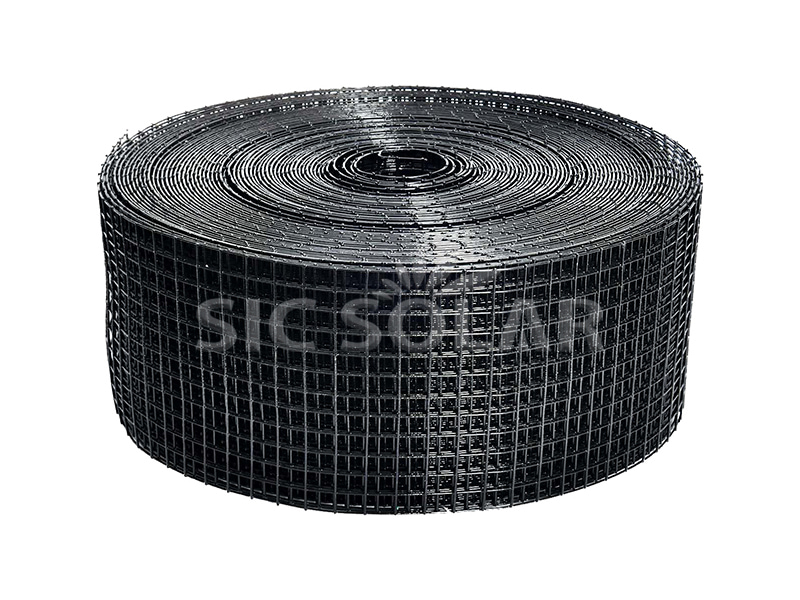
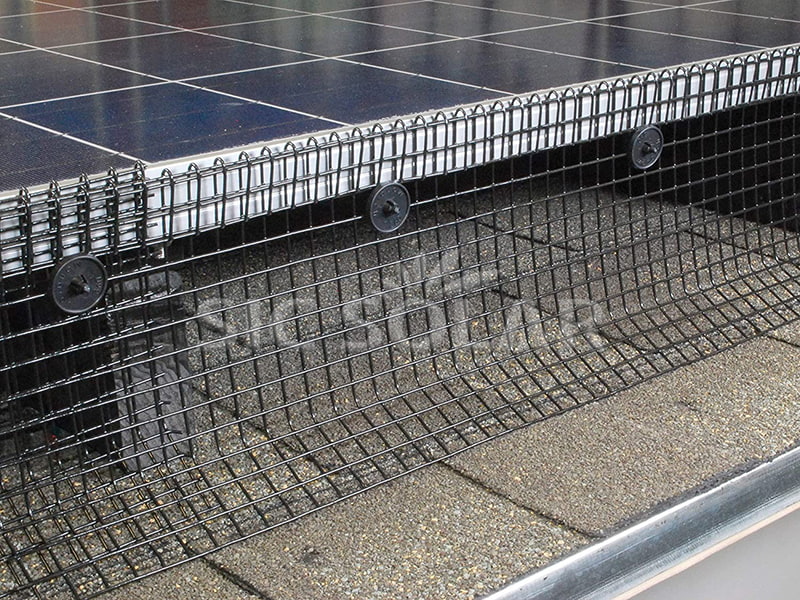
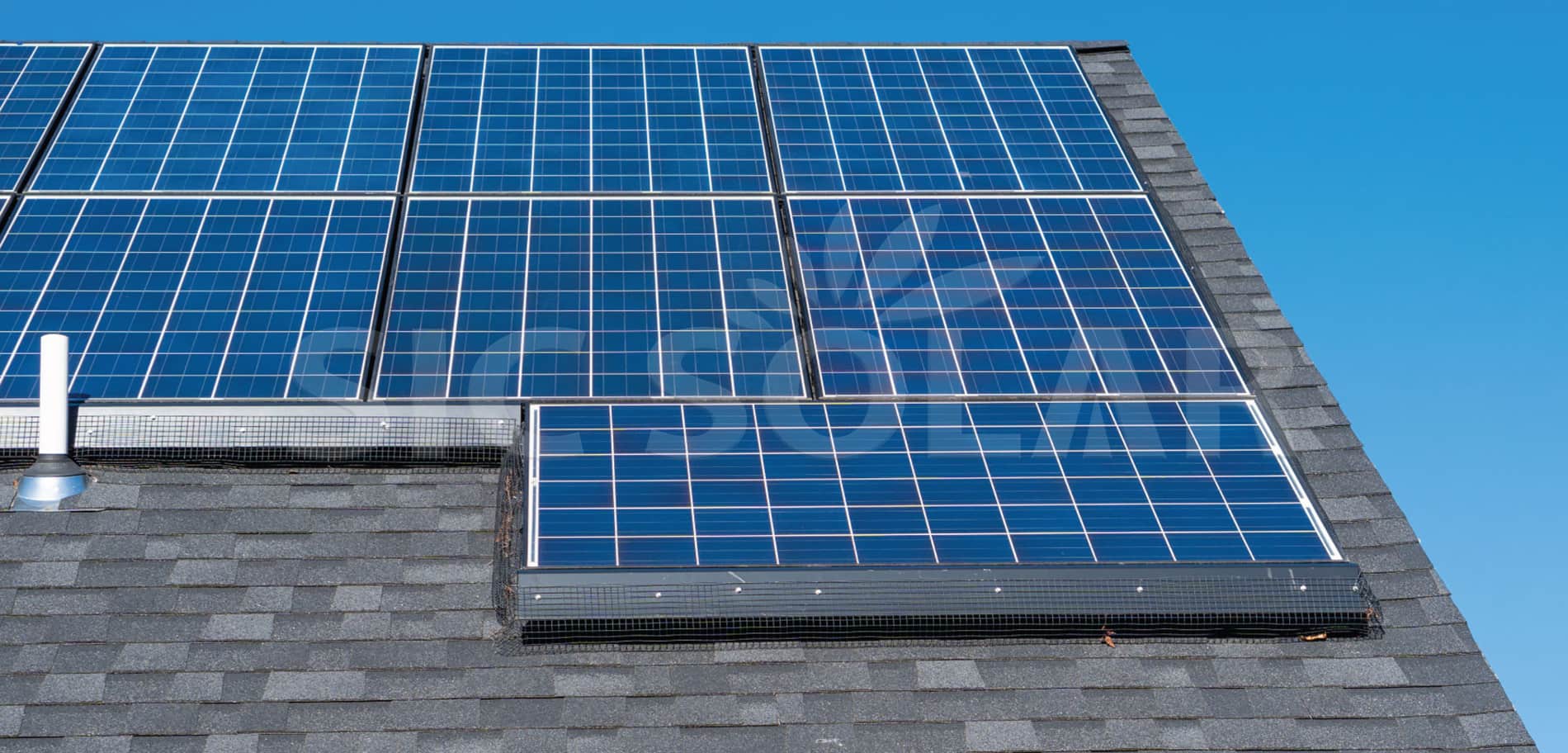
Critter Guard For Solar Panels is a protective accessory designed to help keep birds, rodents, and other small animals out of the space beneath solar panels. It forms a barrier around the panel edges while allowing airflow and helping maintain a clean, well-protected installation.
Brand:
SIC SOLARItem NO.:
SIC-CGSProduct Origin:
Fujian, ChinaShipping Port:
Xiamen portInstallation Site:
Next to the solar panelsColor:
Natural or CustomizedMaterial:
IronLength:
Can be customizedThickness:
Can be customizedFunction:
Keep Small Animals OutWind Load:
<60M/SSnow Load:
<1.4KN/M²
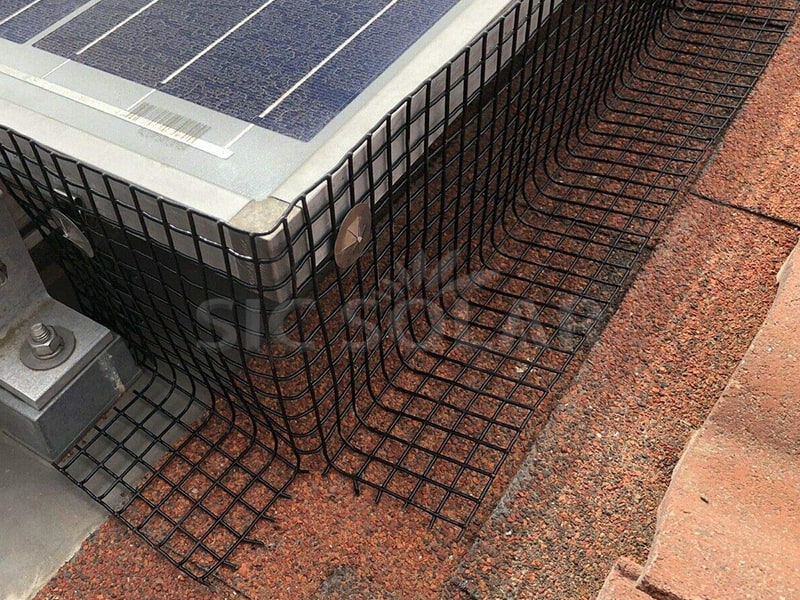
Critter Guard For Solar Panels is installed around the perimeter of a solar panel array to close gaps between the panels and the roof or mounting structure. These open spaces can attract birds, squirrels, and other animals seeking shelter or nesting areas.
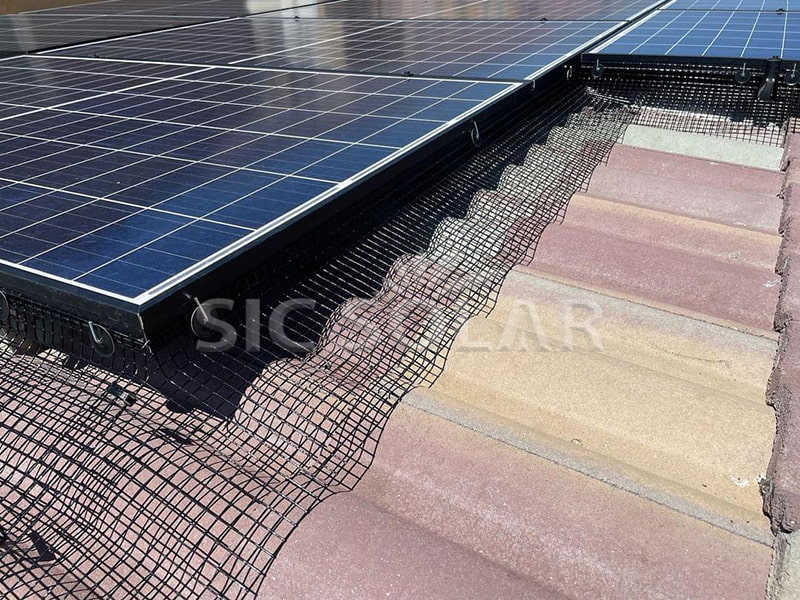
Designed for convenient installation, the Critter Guard For Solar Panels can be secured using suitable clips, brackets, or adhesive strips, depending on the product design and mounting conditions. It provides a practical way to protect solar installations without unnecessary drilling or structural modifications.
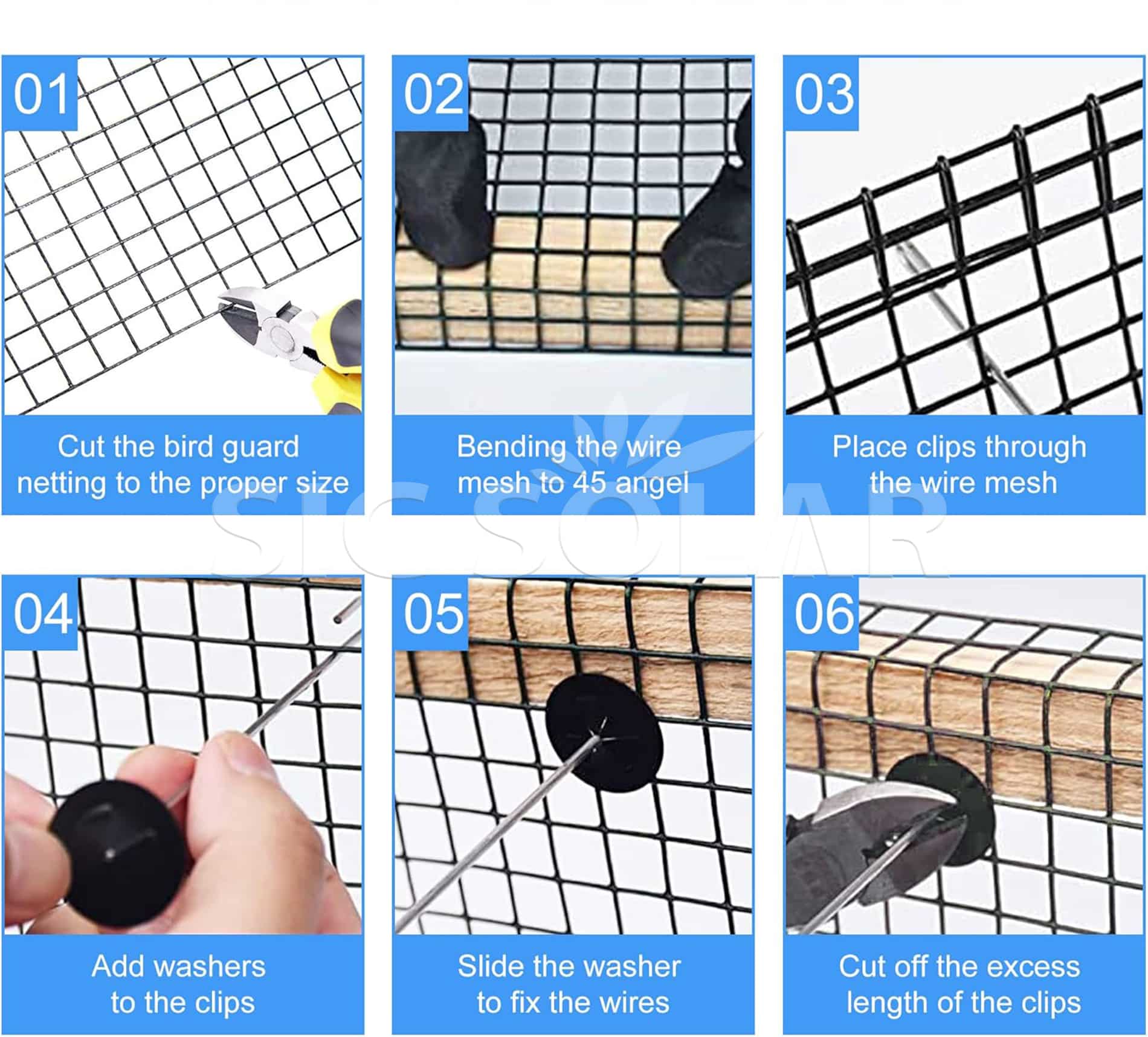
1️⃣ Inspect the Solar Installation: Check the panel edges, roof surface, mounting structure, cable layout, and gaps beneath the panels.
2️⃣ Measure the Panel Perimeter: Measure the required guard length and identify corners, openings, and areas that need protection.
3️⃣ Prepare the Guard Components: Select suitable mesh sections, clips, brackets, and fasteners based on the panel frame and mounting system.
4️⃣ Position the Guard: Place the protective mesh around the outer edges of the solar panel array without covering the active panel surface.
5️⃣ Secure the Guard: Attach the mesh using suitable clips or brackets. Avoid drilling into the panels or damaging the roof and cables.
6️⃣ Check the Protective Barrier: Inspect the connections, corners, openings, and bottom edges to ensure the barrier is secure and free of unnecessary gaps.
7️⃣ Complete the Final Inspection: Confirm that the guard is firmly installed, airflow and drainage are maintained, and cables remain unobstructed.
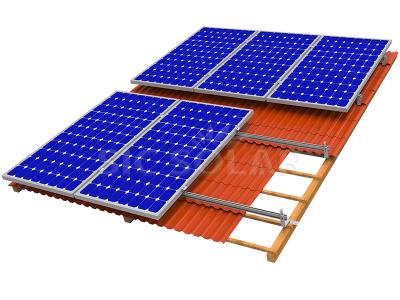
Solar Panel Roof Mounts for Tile Roof are systems for securing solar panels to tile roofs, which are...
Read More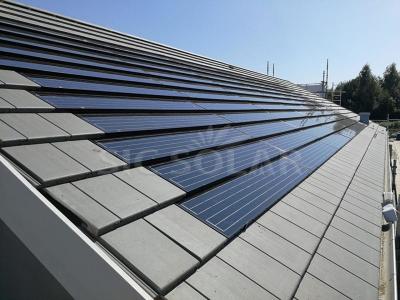
Bipv Mounting System integrates solar power generation into a building’s architectural design....
Read More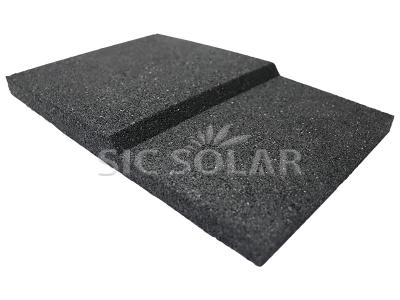
Solar HookStop Shock Absorbing Tile are these cool things you stick under the roof hooks of solar pa...
Read More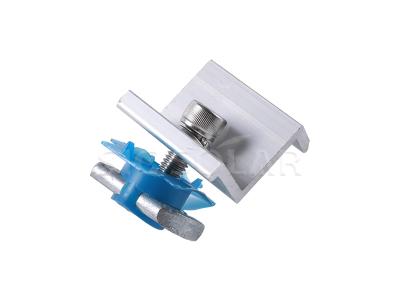
Solar Carbon Steel Ground Support End Clamp is a tough fastener that holds the edges of solar panels...
Read More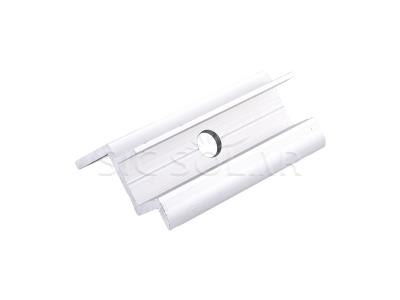
Solar Panel Mounting V Type End Clamp are these special clamps that hold the edges of solar panels t...
Read More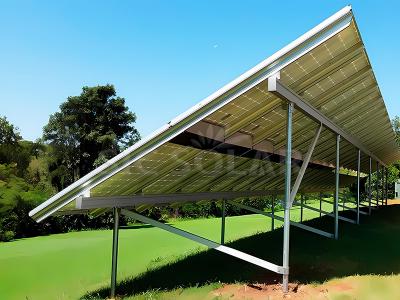
Steel Ground Solar Panel Mounting Systems tough and work great for big solar setups on the ground. S...
Read More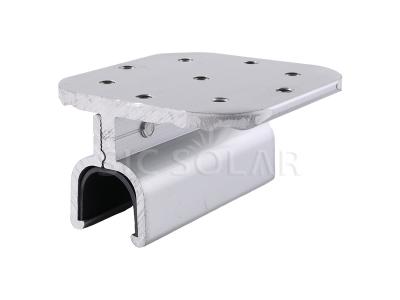
Standing seam roof clamps for solar panel are made specifically to attach solar panels to metal roof...
Read More
Standing Seam Metal Roof Panels feature raised seams that run continuously from the ridge to the eav...
Read More


 IPv6 network supported
 English
  Deutsch
 español
 português
 Nederlands
 العربية
 日本語
日本語 한국의
한국의 Melayu
 Tiếng việt