
What Are You Looking For?

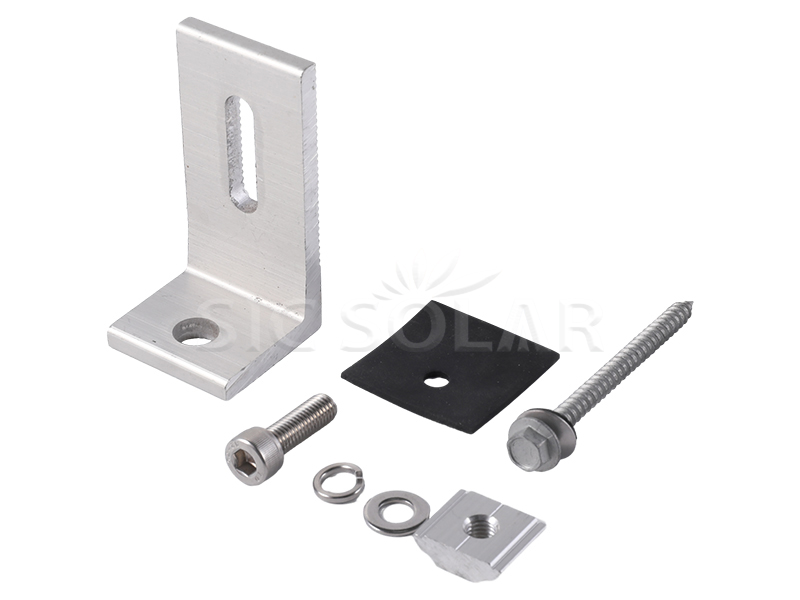
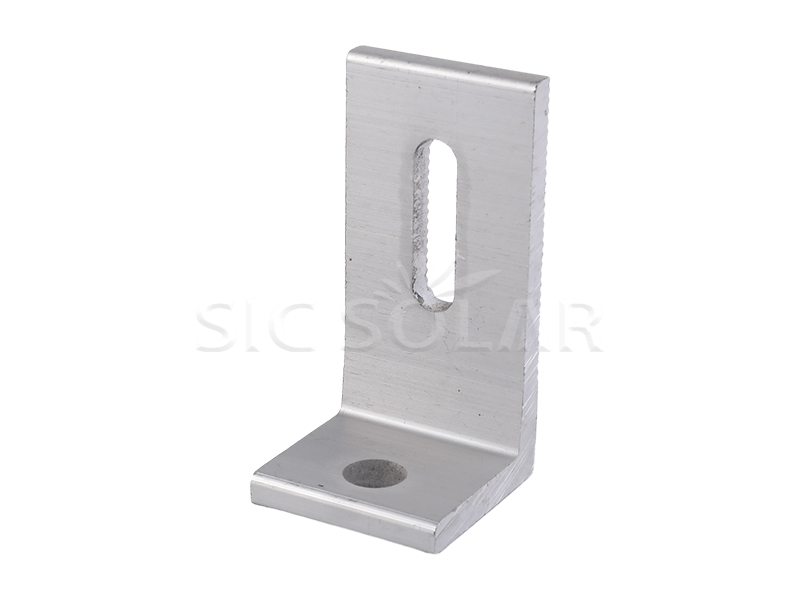
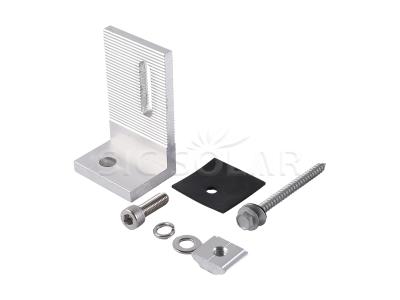
Solar Panel L Feet For Roof Mount are practical components used to connect solar mounting rails to roof surfaces. Their L-shaped design provides a stable fixing point between the roof structure and the solar mounting system, making them suitable for residential, commercial, and industrial rooftop projects.
Brand:
SIC SOLARItem NO.:
SIC-L2Product Origin:
Fujian, ChinaShipping Port:
Xiamen portInstallation Site:
Metal roofColor:
Silver or blackMaterial:
Al6005-T5Warranty:
10 years and 25 years service timeLength:
Can be customizedThickness:
Can be customizedWind Load:
<60M/SSnow Load:
<1.4KN/M²
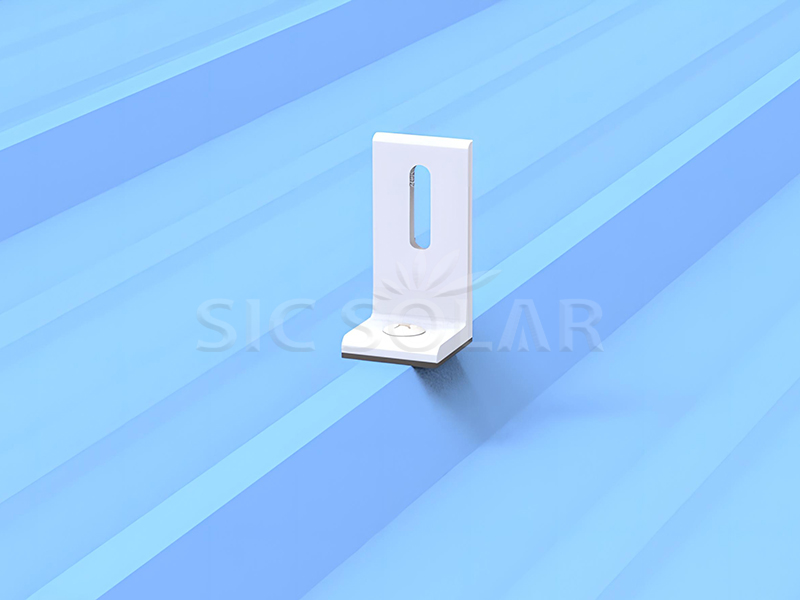
Solar Panel L Feet For Roof Mount are commonly used with roof hooks, threaded studs, screws, or other suitable roof fasteners. They help secure the mounting rails and keep the solar panel array properly aligned.
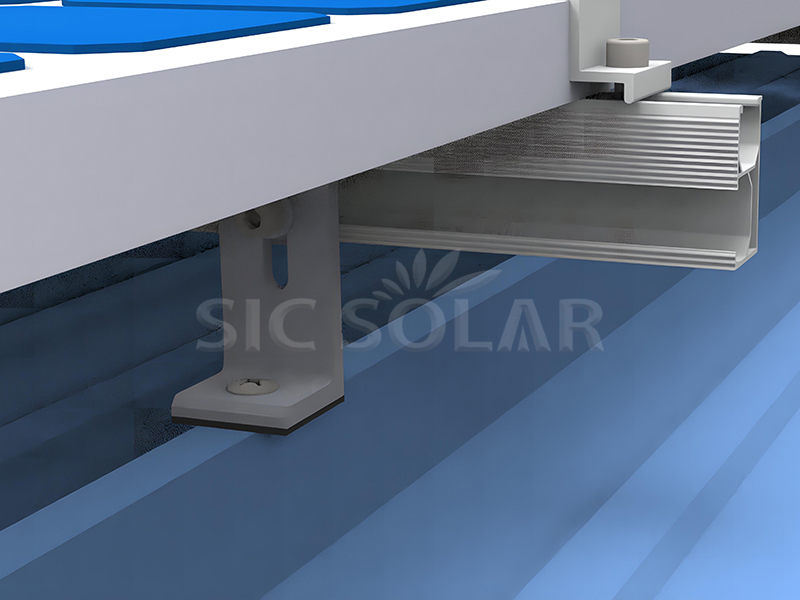
The L-shaped profile provides support in both vertical and horizontal directions. When used with the correct fasteners and sealing materials, the Solar Panel L Feet For Roof Mount offer a reliable way to attach solar rails to compatible roof structures, including metal roofs.
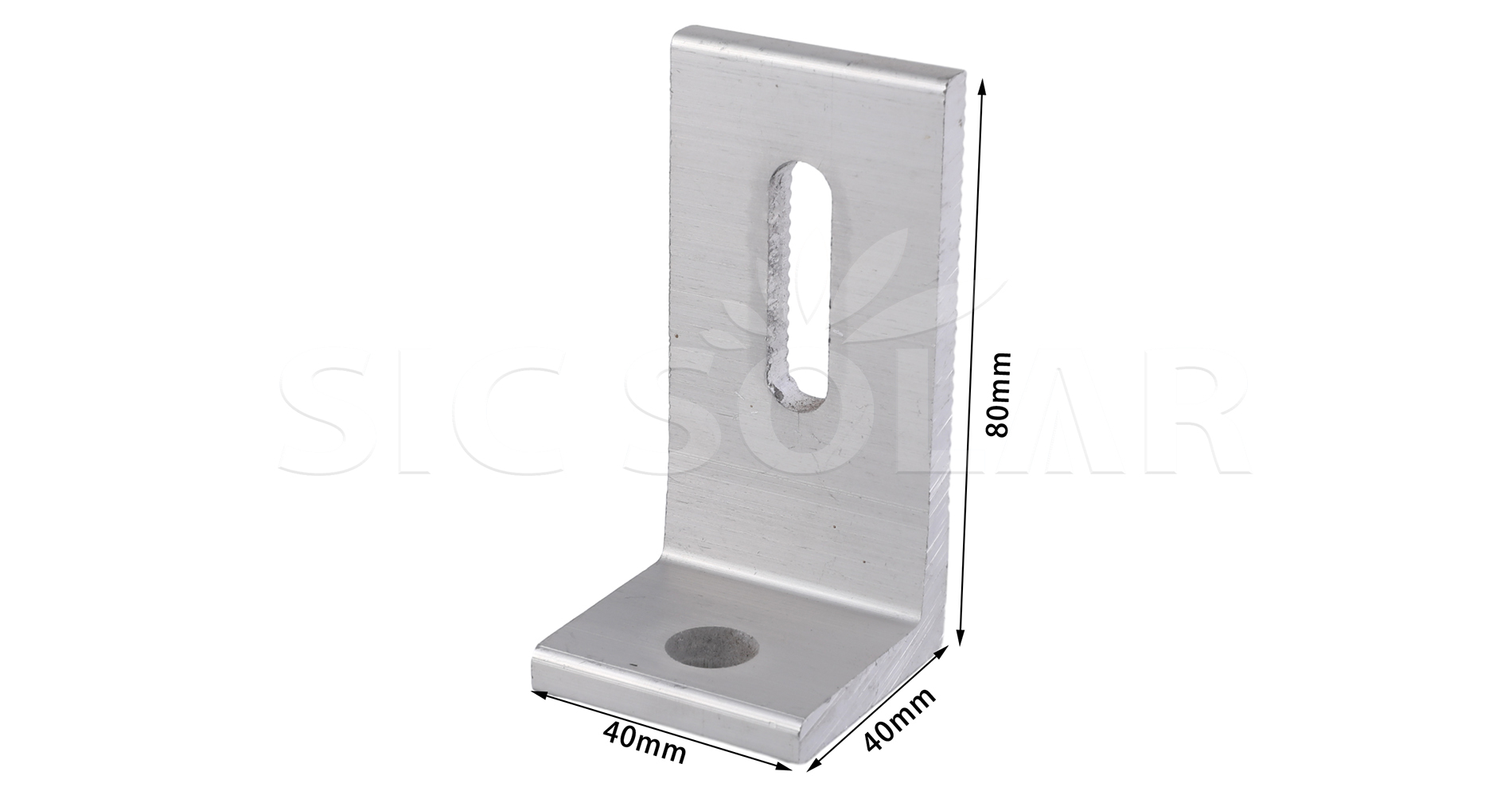
|
Installation Site |
Roof |
|
Wind Load |
<60M/S |
|
Snow Load |
<1.4KN/M² |
|
Material |
Al6005-T5 |
|
Color |
Natural or Customized |
|
Anticorrosive |
Anodized aluminum |
|
Warranty |
10 years and 25 years service time |
Solar Panel Thickened L Feet For Roof Mount are designed to connect solar mounting rails to suitable...
Read More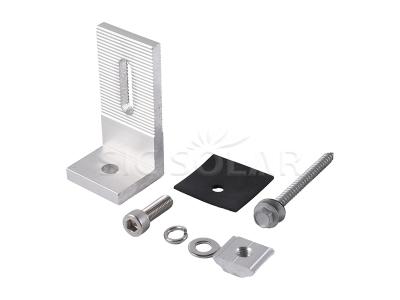
Trapezoid Metal Roof L Feet are solar mounting components used to connect mounting rails to com...
Read More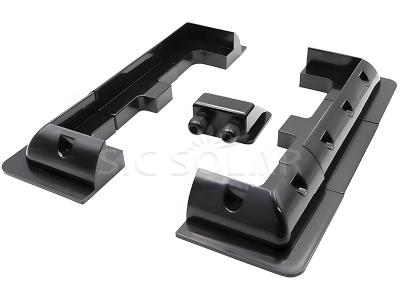
Black ABS solar panel mounts for RV & Marine? They're a go-to if you want to stick solar panels ...
Read More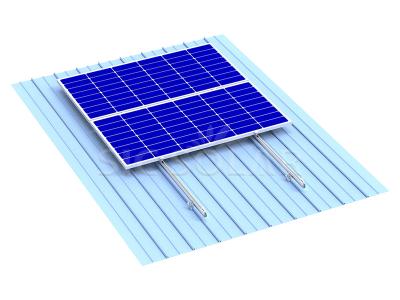
Solar Panel Mounting Brackets For Metal Roof are designed for secure and long-lasting installation o...
Read More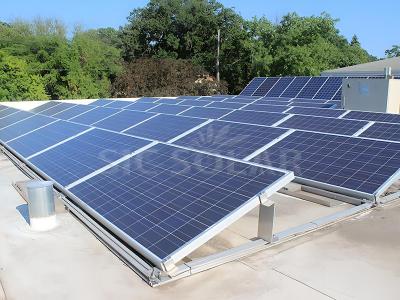
Solar Ballast Mounting Systems are a way to secure solar panels to flat roofs using heavy stuff...
Read More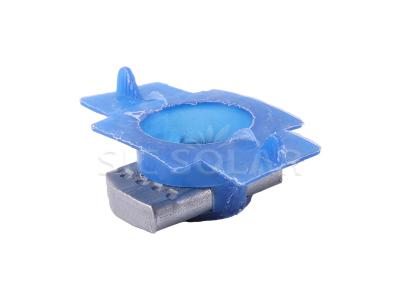
Hot Dip Galvanized Plastic Wing Nuts are made for all sorts of things, like putting together solar p...
Read More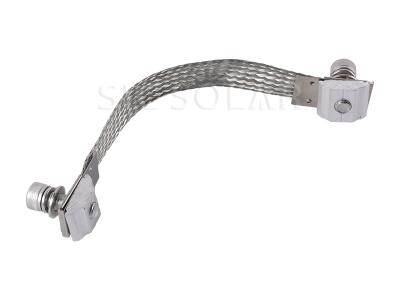
You use a Solar bonding jumper for grounding system to make an electrical connection between two par...
Read More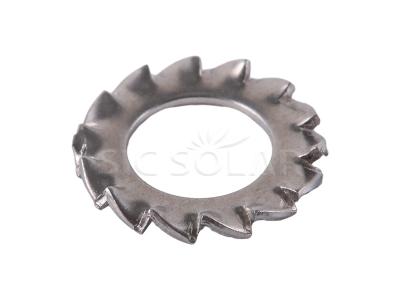
Sawtooth Washer for Solar Fasteners helps improve grip in compatible bolted connections used in...
Read More


 IPv6 network supported
 English
 Deutsch
 español
 português
 Nederlands
 العربية
 日本語
 한국의
 Melayu
 Tiếng việt